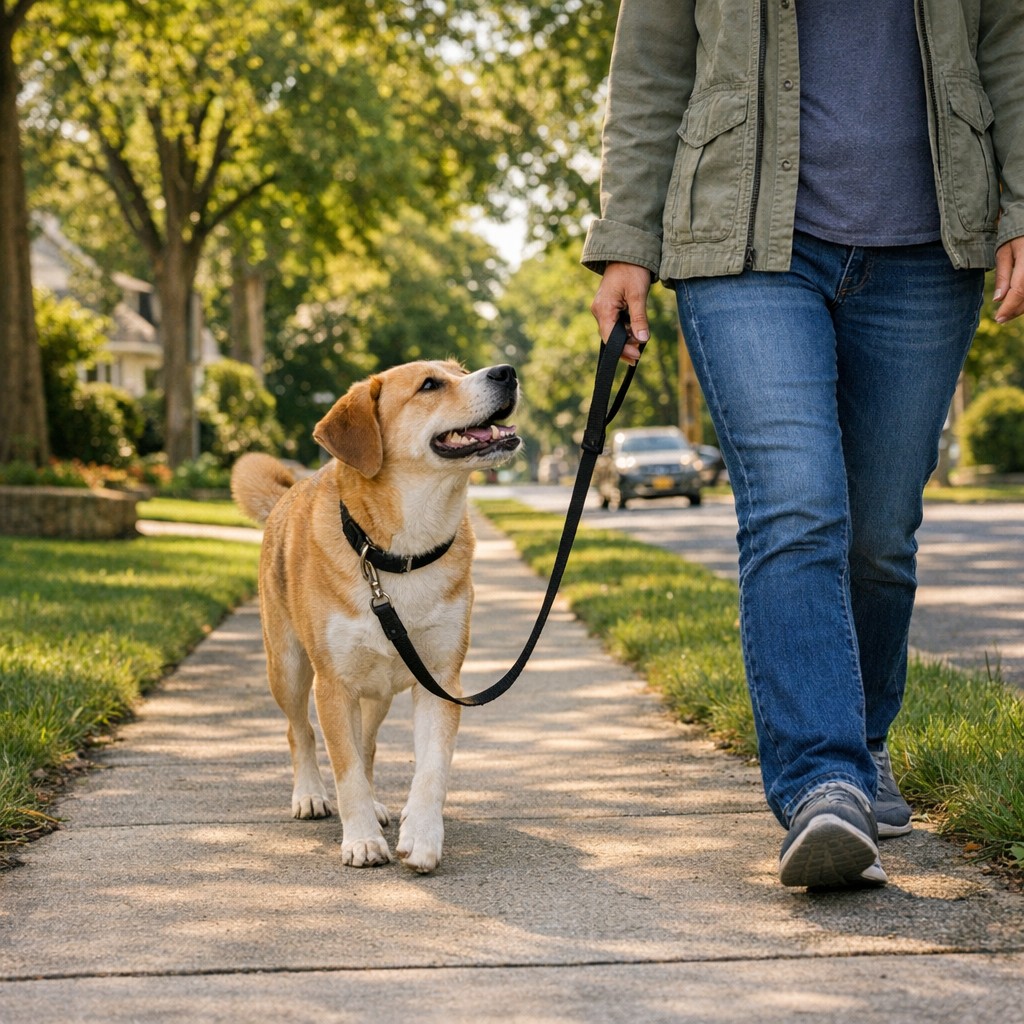
Loose Leash Walking Training in Basking Ridge, NJ
For many dog owners, walks start with good intentions and quickly turn into frustration. The leash goes tight, the dog pulls ahead, and what should be a relaxing part of the day becomes a constant struggle. If that sounds familiar, you are not alone. Loose leash walking is one of the most common challenges local dog owners face in Basking Ridge.
The good news is that pulling is not a personality flaw or a sign your dog is being difficult. It is usually a learned behavior that can be improved with the right approach, clear expectations, and consistent practice.
Why dogs pull on the leash
Dogs pull because it works. When a dog leans into the leash and moves forward, they often get closer to what they want—whether that is a smell, another dog, or simply forward motion. Over time, this becomes a habit.
Many dogs are also naturally faster than we are. They are excited, curious, and ready to explore. Without guidance, they will default to moving at their own pace instead of walking alongside us.
Pulling can also be influenced by overstimulation. Busy neighborhoods, passing dogs, new smells, and unpredictable movement can make it harder for a dog to stay calm and focused.
What loose leash walking really means
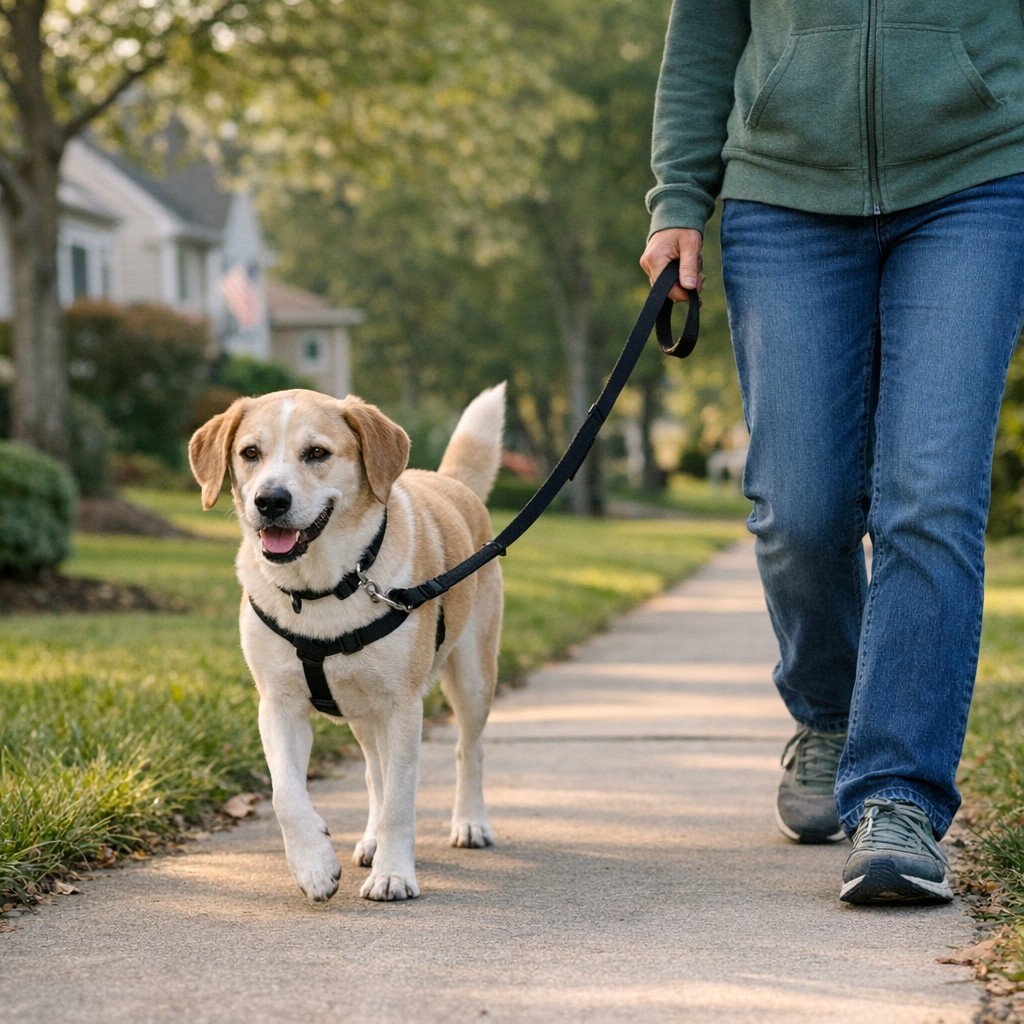
Loose leash walking does not mean your dog must walk perfectly at your side every second. It means the leash stays relaxed most of the time, with your dog able to move comfortably without constant tension.
This creates a more enjoyable experience for both the dog and the owner. Walks become less about control and more about communication and shared movement.
A dog that understands loose leash walking is not just “behaving.” They are learning how to move with you, check in naturally, and respond to subtle cues instead of constant correction.
What owners often try first
Many owners try to solve pulling by holding the leash tighter, using stronger equipment, or repeatedly telling the dog to stop. While these approaches are understandable, they often do not teach the dog what to do instead.
Without a clear alternative, the dog continues to pull because that is the only strategy they know.
Real progress comes from teaching the dog how to succeed on leash, not just trying to prevent mistakes.
How loose leash walking training works
Loose leash walking training focuses on helping the dog understand that staying near you and keeping the leash relaxed is what makes the walk continue.
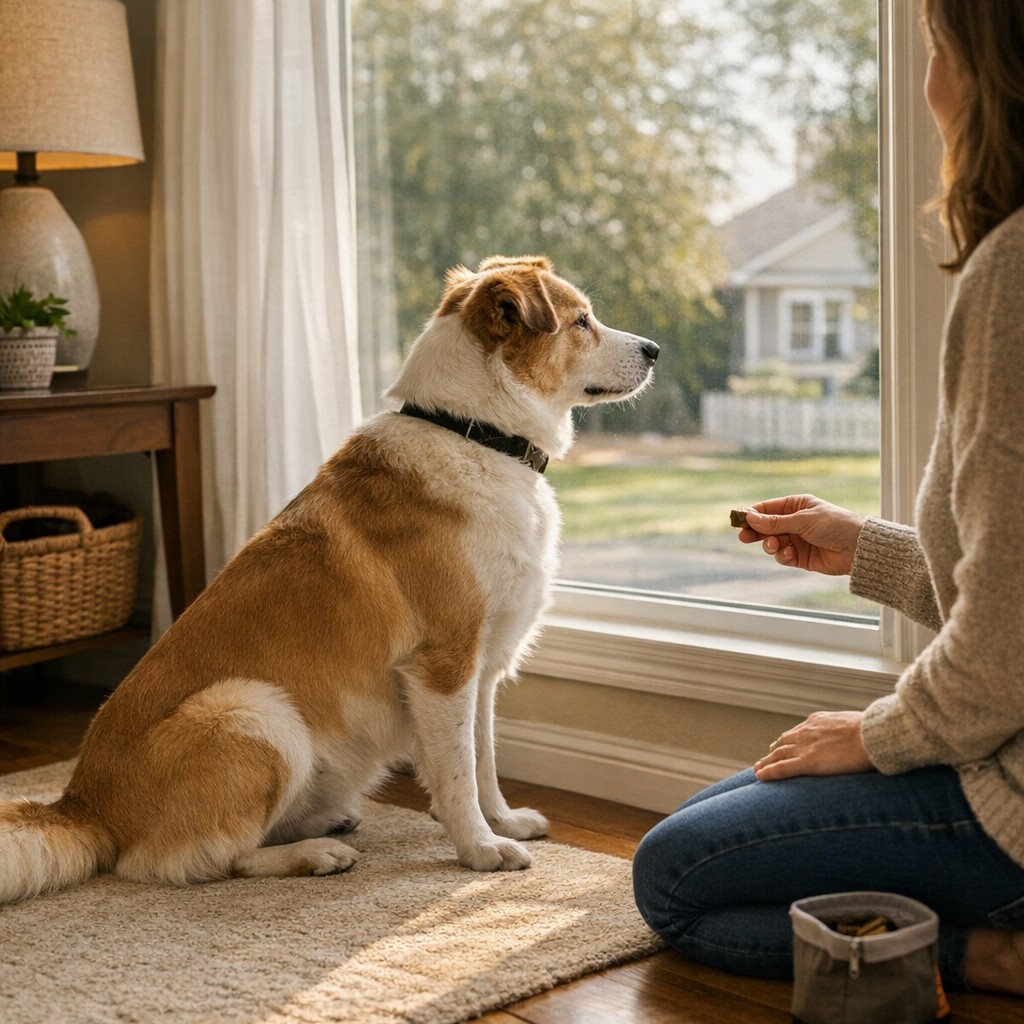
This often starts in low-distraction environments where the dog can focus more easily. From there, training gradually builds into more challenging settings like neighborhood sidewalks, parks, and busier areas around Basking Ridge.
Key parts of the process may include rewarding the dog for staying close, changing direction when the leash becomes tight, and creating clear, consistent patterns the dog can understand.
Just as important, the training also looks at pacing, expectations, and how the walk begins. A dog that starts a walk in a highly excited state is more likely to pull from the very beginning.
Why consistency matters
Dogs learn through repetition. If pulling sometimes works and sometimes does not, it becomes harder for the dog to understand what is expected.
Consistency does not mean perfection. It means having a clear plan and following it as closely as possible over time. Small, steady improvements add up.
Even a few minutes of focused practice on each walk can make a noticeable difference over time.
Common challenges along the way
Many dogs do well in quiet areas but struggle when distractions increase. This is normal. Loose leash walking is a skill that needs to be practiced in different environments.
Owners may also notice progress one day and setbacks the next. That is part of the process. Dogs are not robots, and learning is not always linear.
The key is to stay patient and keep building on small successes rather than expecting immediate perfection.
What support can look like
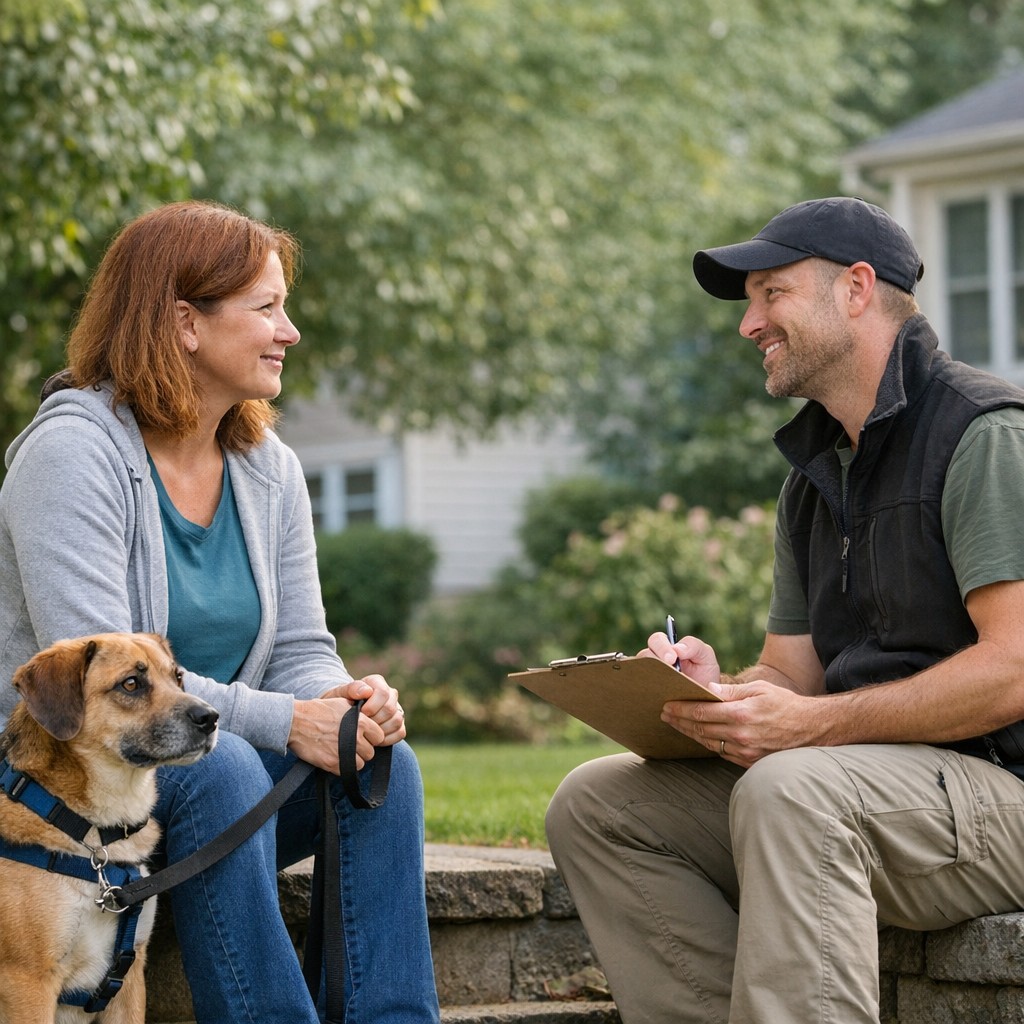
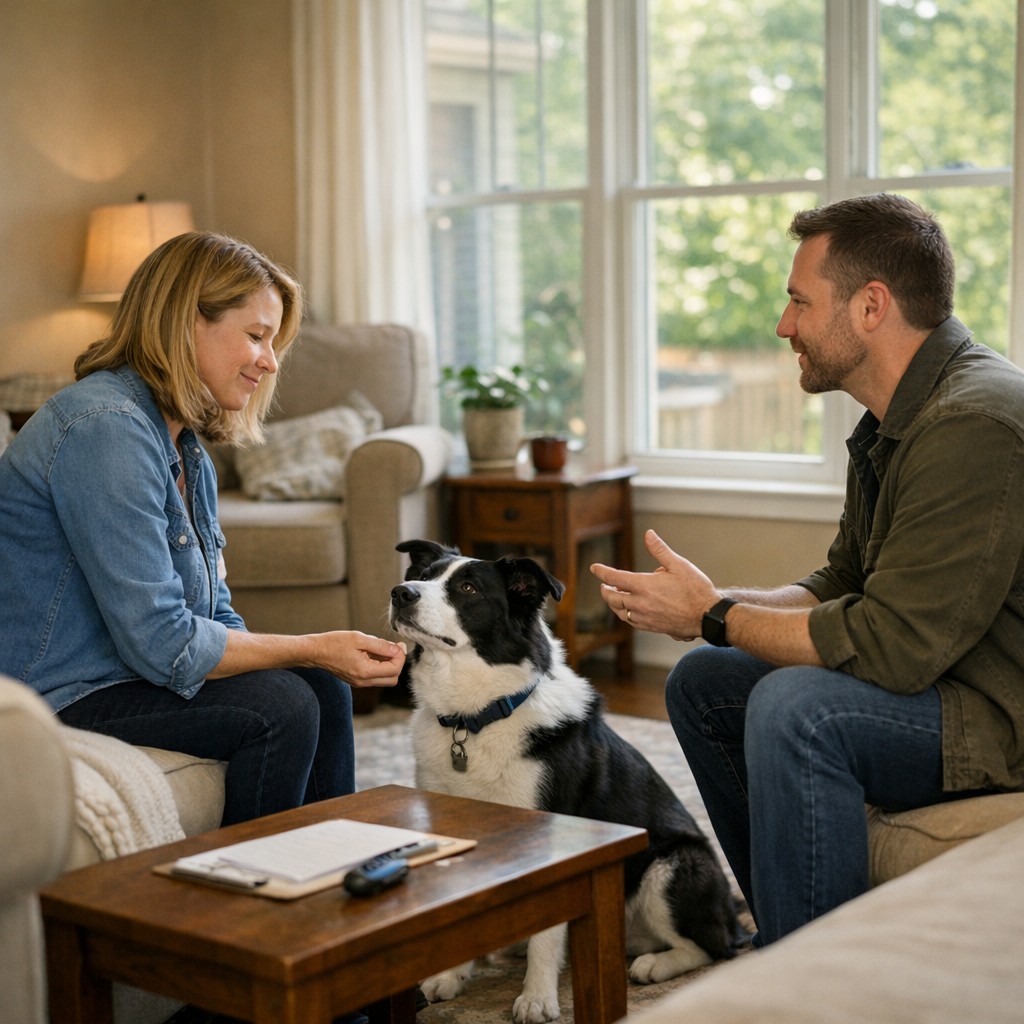
For many families in Basking Ridge and Somerset County, having guidance can make the process much easier. Instead of guessing what to try next, owners can follow a clear plan tailored to their dog and their daily routine.
Private training can be especially helpful for leash work because it takes place in the same environments where the problem is happening. This makes the training more relevant and easier to apply in real life.
Support also helps owners feel more confident. When you know what to do and why it works, walks become less stressful and more predictable.
What progress can look like
Loose leash walking does not happen overnight, but progress often shows up in meaningful ways. The leash may stay loose for longer stretches. Your dog may check in more often. Walks may feel calmer and more manageable.
Over time, these changes create a more enjoyable routine. Instead of bracing for a struggle, you can start to look forward to walking your dog again.
Building better walks in Basking Ridge
Walking your dog should feel like a shared activity, not a constant battle. With the right approach, most dogs can learn how to walk calmly on leash while still enjoying their environment.
For local dog owners, loose leash walking training is not about strict rules. It is about creating clarity, building communication, and helping your dog succeed in everyday situations.
If you need help with leash training or your dog’s behavior on walks, schedule a meet & greet to talk through the best next step for your dog.