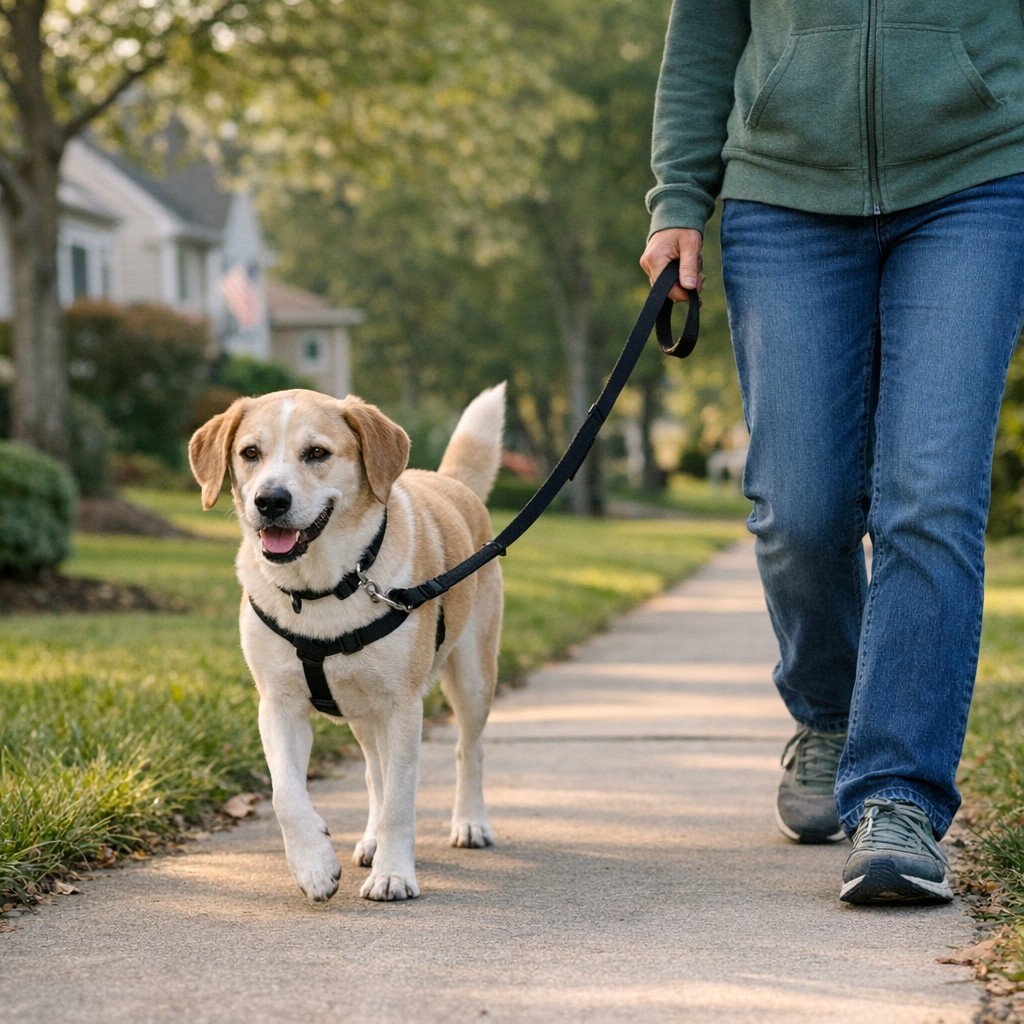
Walks are supposed to be one of the best parts of your dog’s day. But if your dog is constantly pulling, lunging, or dragging you down the street, it can quickly become frustrating and exhausting.
Many dog owners in Basking Ridge deal with this exact issue—and the good news is, it’s very fixable with the right approach.
Why Dogs Pull on the Leash
Before fixing the problem, it helps to understand it.
Dogs pull because it works. When they lean forward and pull, they get closer to what they want—whether that’s a smell, another dog, or simply moving faster.
From your dog’s perspective, pulling is successful behavior. No one has shown them a better option yet.
What Most Owners Try (That Doesn’t Work)
Many well-meaning owners try things like:
- Yanking the leash back
- Saying “no” repeatedly
- Using constant tension on the leash
These approaches often don’t solve the problem. In some cases, they can even make walks more stressful or confusing for your dog.
The real goal isn’t to “stop pulling” through force—it’s to teach your dog what to do instead.
What Loose Leash Walking Actually Means
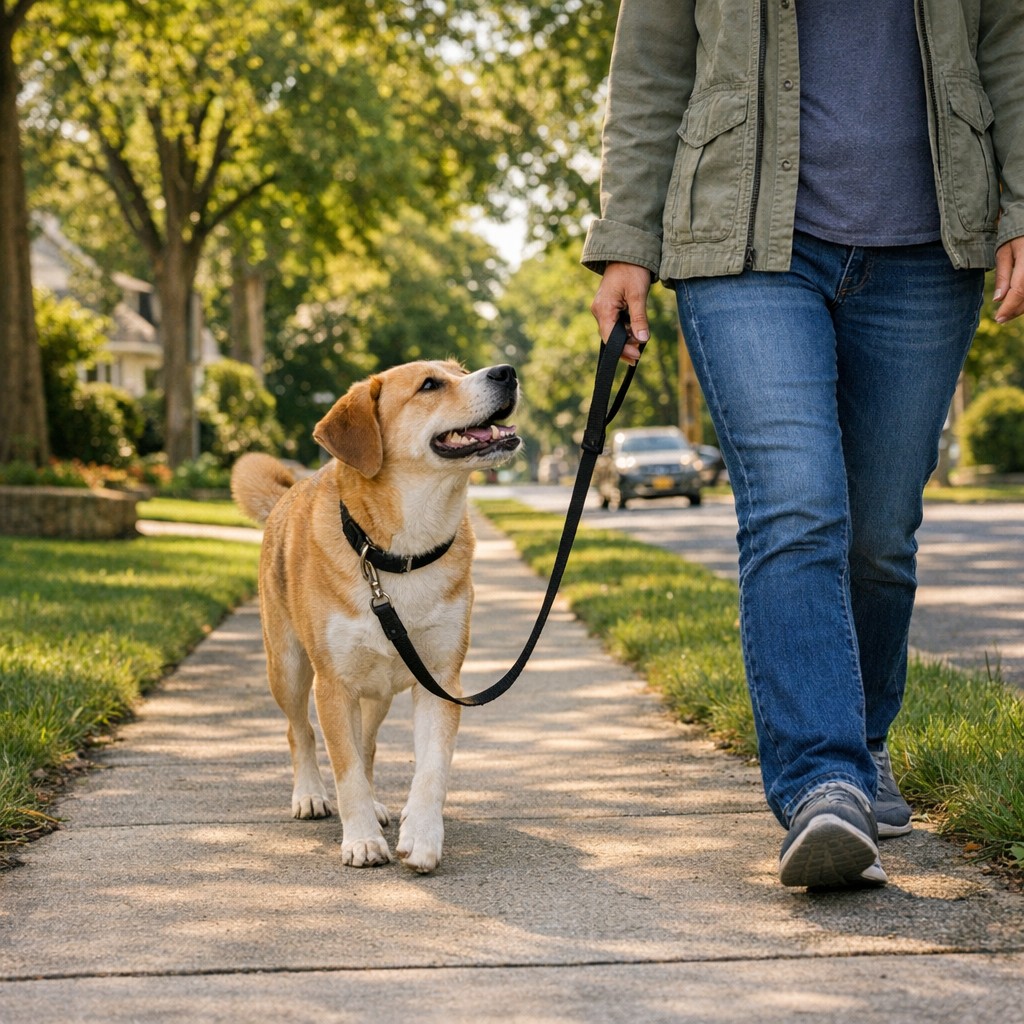
Loose leash walking doesn’t mean your dog has to walk perfectly at your side the entire time.
It simply means:
- The leash stays relaxed
- Your dog checks in with you
- You can walk comfortably without being pulled
This creates calmer, more enjoyable walks for both of you.
Simple Steps to Start Improving Walks
1. Stop Moving When the Leash Gets Tight
This is one of the most powerful changes you can make.
If your dog pulls and you keep walking, you’re accidentally rewarding the behavior. Instead, pause when the leash tightens. Movement only continues when the leash loosens.
This helps your dog learn: pulling doesn’t get them where they want to go.
2. Reward the Right Moments
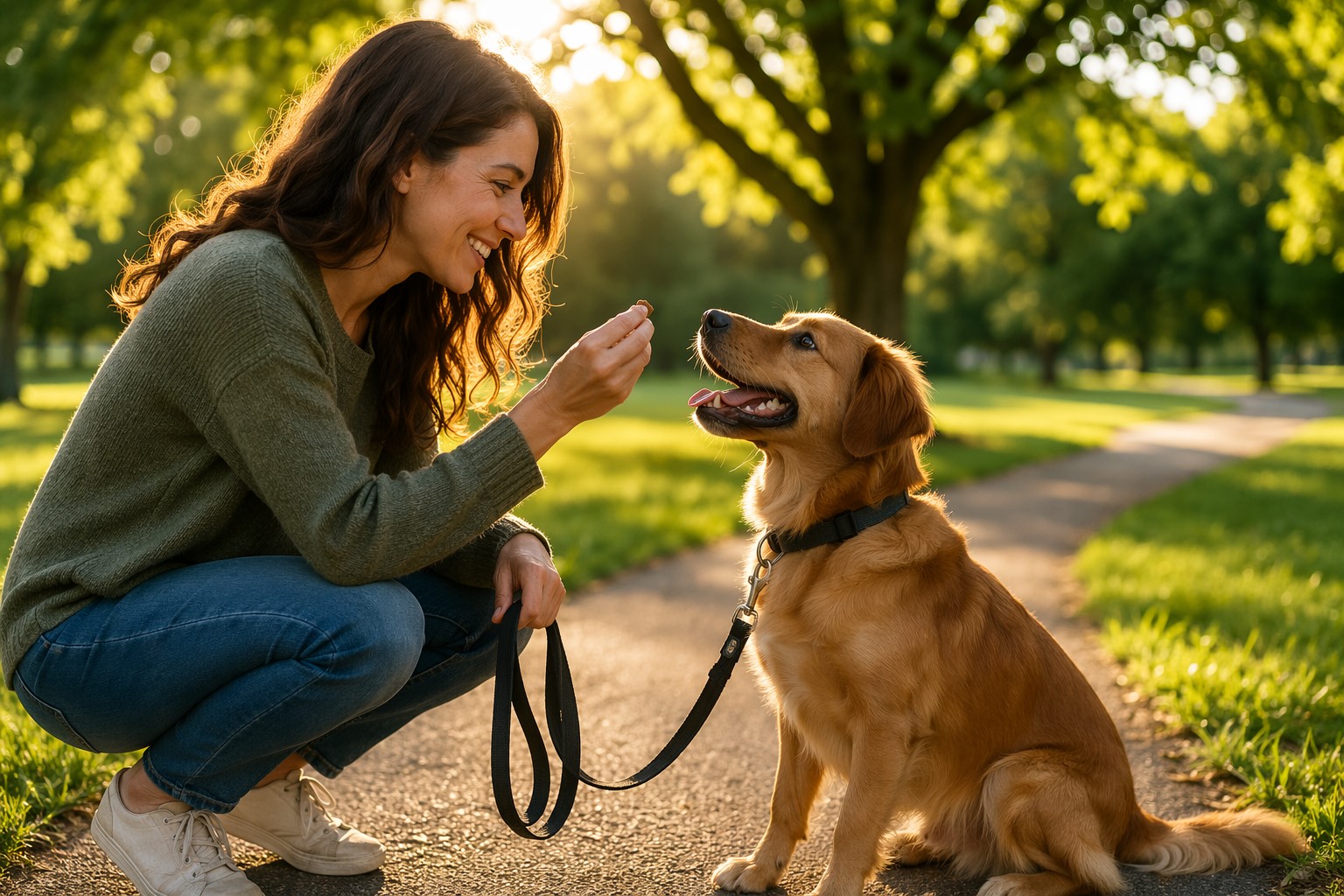
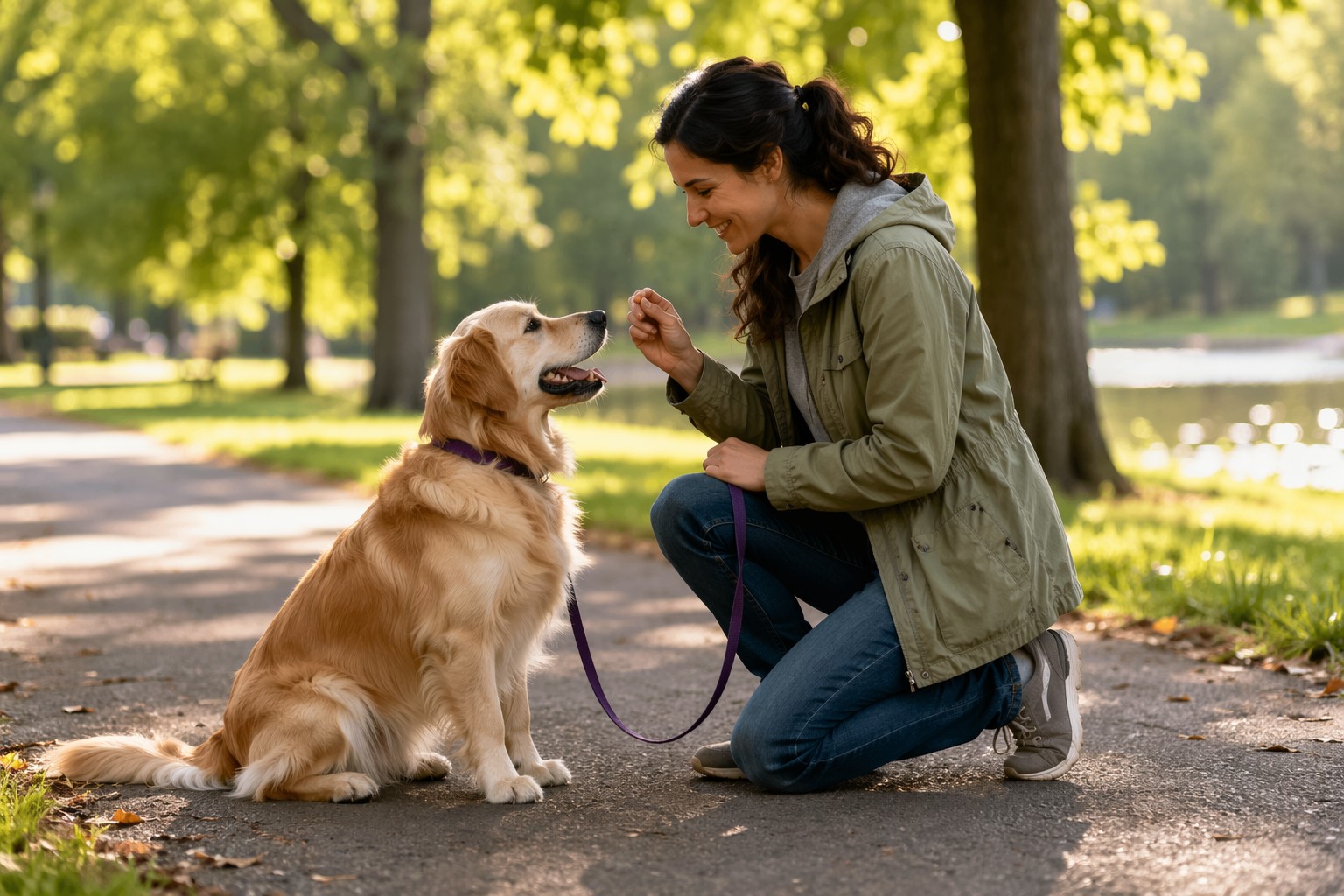
When your dog is walking nicely—even for a few steps—acknowledge it.
You can use:
- Calm praise
- Treats
- Continuing the walk forward
Dogs repeat behaviors that work. The more you reward loose leash moments, the more they happen.
3. Change Direction
If your dog is locked in and pulling ahead, gently turn and walk the other way.
This encourages your dog to pay attention to you and follow your movement, instead of dragging you forward.
4. Start in Low-Distraction Areas
Trying to fix leash pulling on a busy street or trail can be overwhelming for your dog.
Start in quieter areas—like your neighborhood or backyard—before working up to more distracting environments around Somerset County.
Why Consistency Matters More Than Speed
Many owners want a quick fix—and while you can start seeing improvement quickly, lasting change comes from consistency.
Every walk is a training opportunity.
If pulling sometimes works and sometimes doesn’t, your dog gets mixed signals. Clear, consistent responses help your dog learn faster and with less stress.
What Makes Leash Training Easier
Leash training becomes much smoother when:
- Your dog’s energy needs are met
- They understand basic communication
- The training approach is calm and predictable
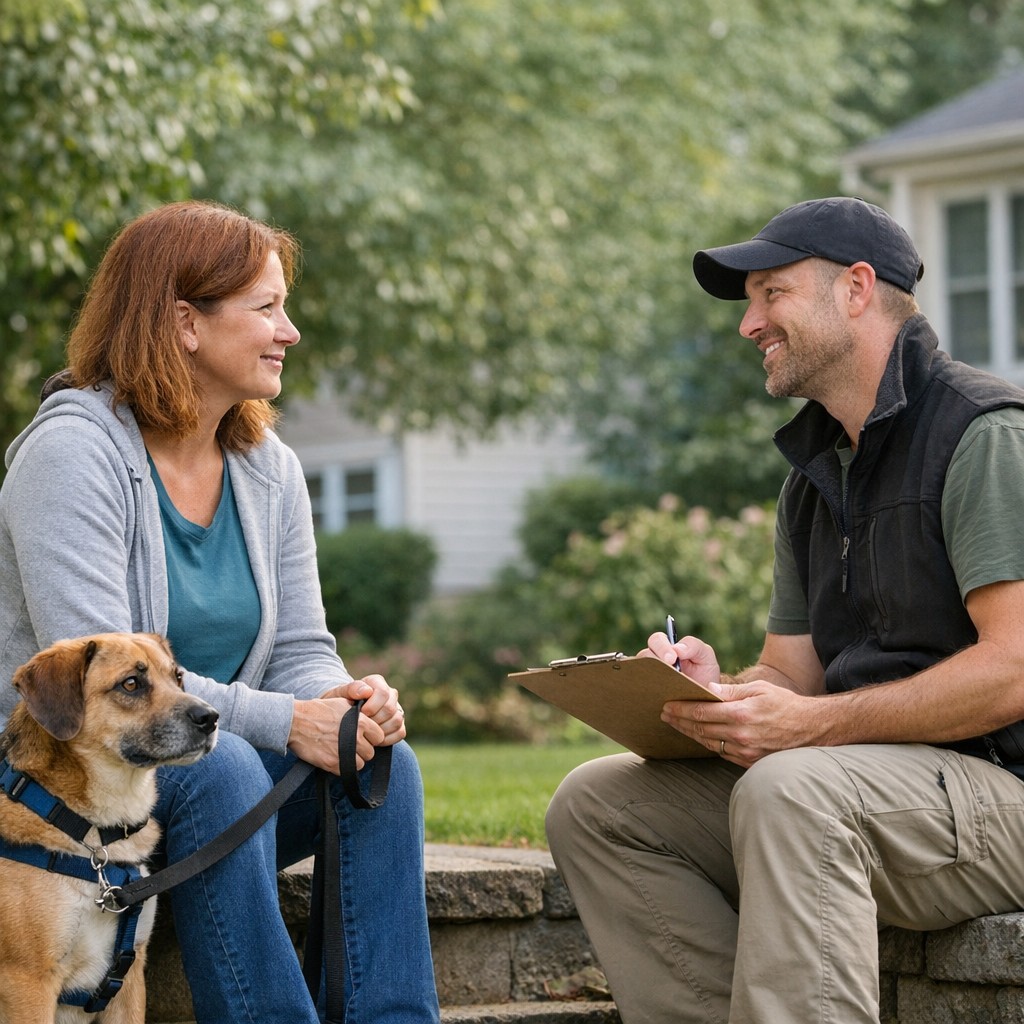
This is where many families benefit from professional guidance—especially if pulling has been happening for a long time or is paired with excitement or reactivity.
What Local Dog Owners in Basking Ridge Should Know
With so many beautiful walking areas in and around Basking Ridge, it’s natural for dogs to become overstimulated on walks.
New smells, wildlife, people, and other dogs can all increase pulling behavior.
That’s why leash training isn’t just about the leash—it’s about helping your dog feel more focused, calm, and connected to you in real-world environments.
When to Get Extra Help
If your dog is:
- Pulling very strongly
- Ignoring you completely on walks
- Reacting to other dogs or people
It may be time for more structured support.
A personalized approach can make a big difference, especially when training is tailored to your dog’s behavior and your daily routine.
A Better Walk Is Possible
Leash pulling is one of the most common training challenges—but it’s also one of the most rewarding to improve.
With clear communication, patience, and the right approach, walks can become something you actually look forward to again.
If you need help with your dog’s leash skills or overall behavior, schedule a meet & greet to talk through the next best step.