What Is a Dog Behavior Consultation in Basking Ridge, NJ?
When a dog starts barking nonstop at the window, reacting on walks, panicking when left alone, or seeming constantly on edge, many owners are not sure what kind of help they actually need. They may wonder whether it is a training issue, a behavior issue, or just a phase that will pass. For many families in Basking Ridge, the clearest first step is a dog behavior consultation.
A behavior consultation is not about blaming the dog or the owner. It is about slowing down, looking at the full picture, and figuring out why certain behaviors are happening in the first place. Once that is clear, it becomes much easier to create a practical plan that supports both the dog and the household.
What a behavior consultation is
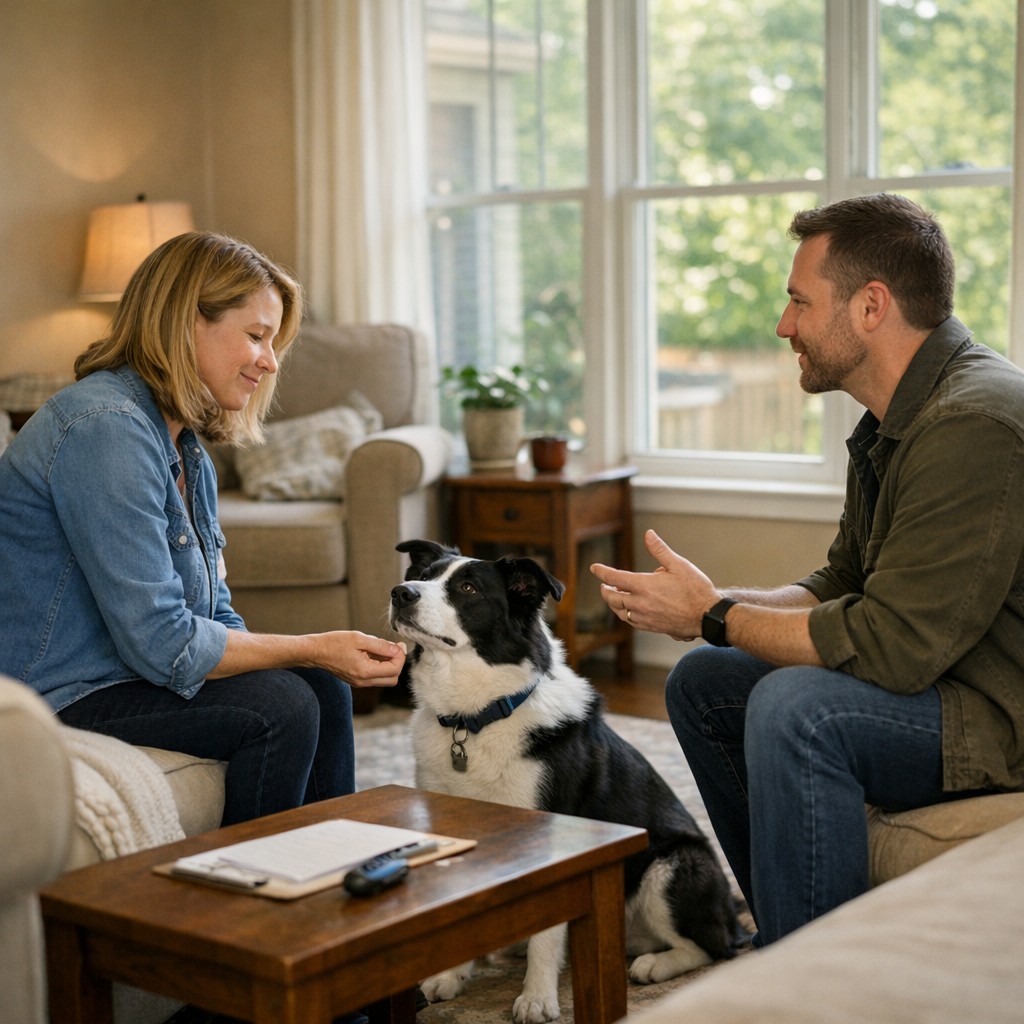
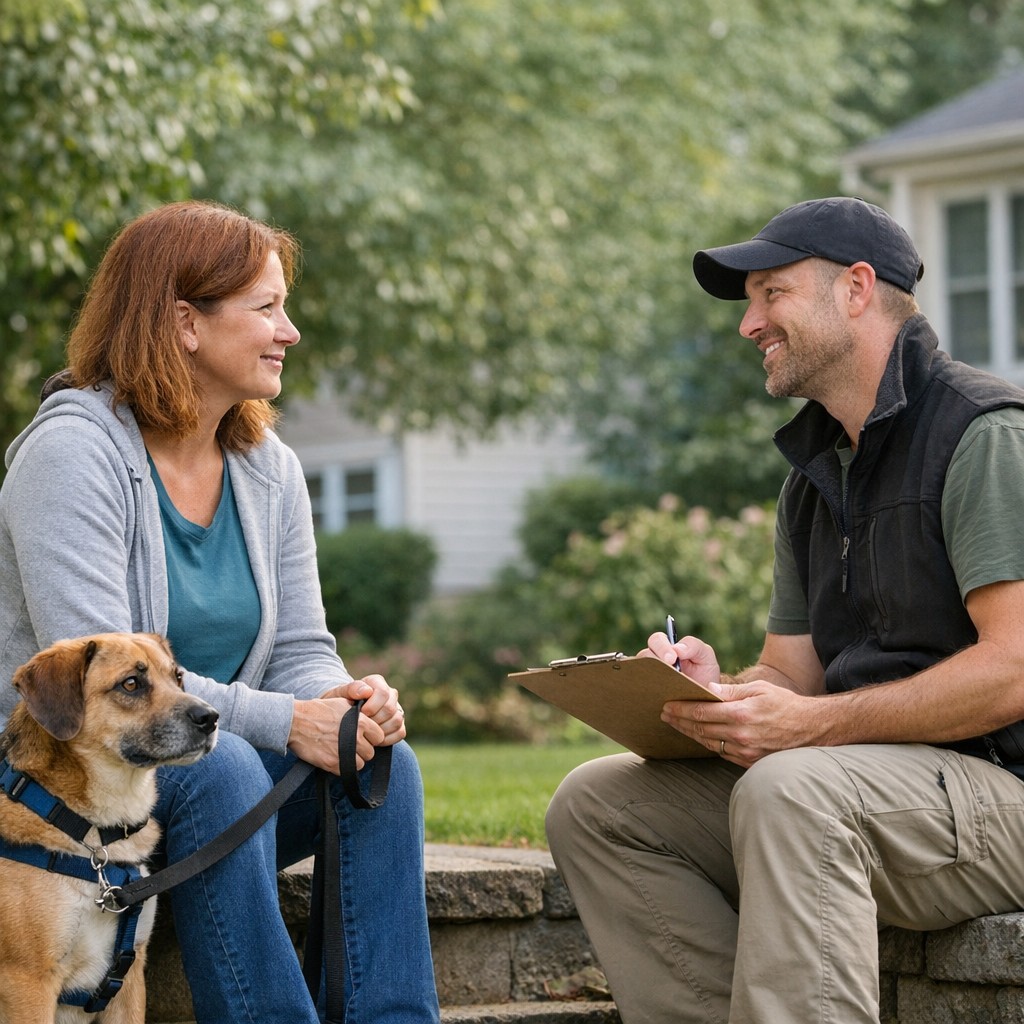
A dog behavior consultation is a structured meeting focused on understanding behavior patterns, triggers, daily routines, and the dog's environment. Instead of jumping straight into commands, the goal is to look at what the dog may be communicating through behavior.
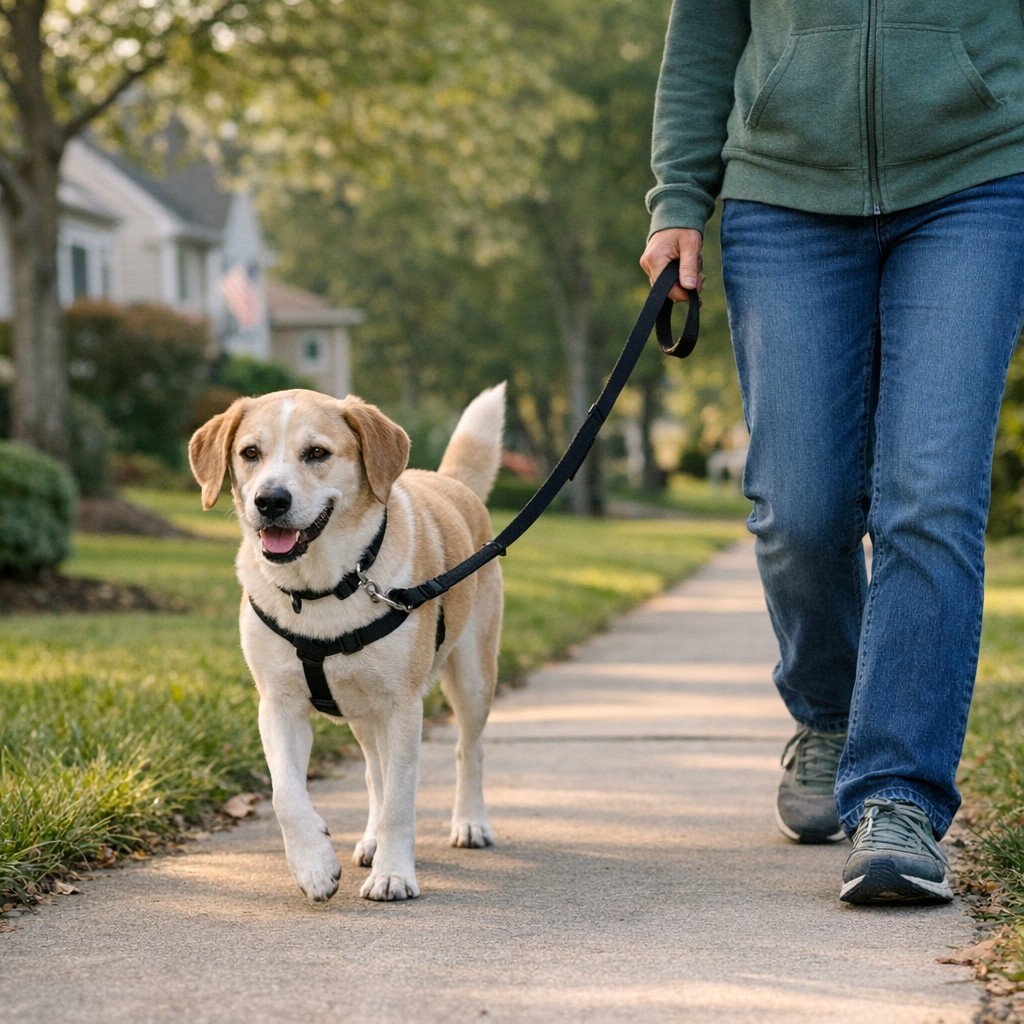
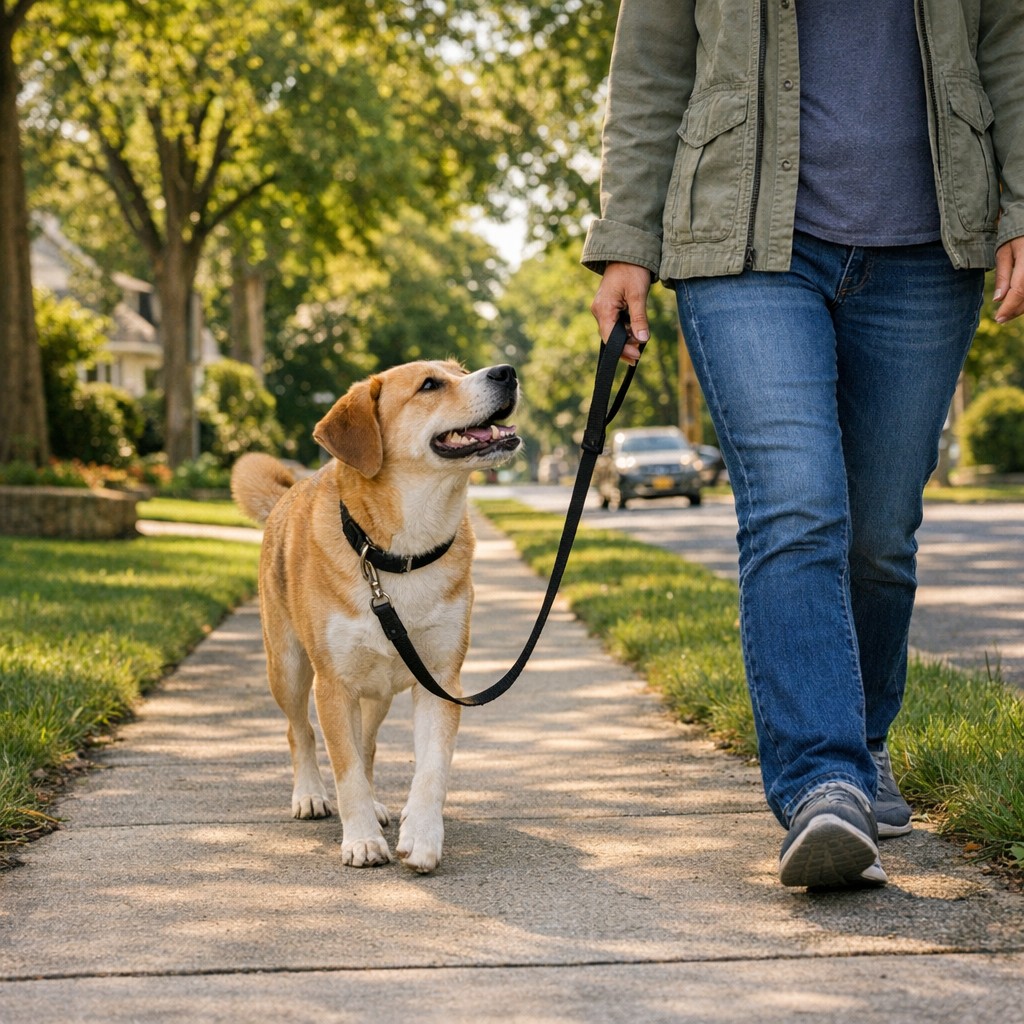
This kind of support is especially helpful when the issue goes beyond simple manners. A dog that pulls on leash may need obedience help. A dog that explodes at the sight of other dogs, barks frantically when visitors arrive, or struggles to settle at home may need a deeper behavior-focused plan.
In many cases, families are dealing with a combination of stress, confusion, inconsistent routines, and learned habits. A consultation helps sort those pieces out in a clear and manageable way.
Signs your dog may need a behavior consultation
Not every concern requires behavior work, but some patterns are strong signs that more support would be useful. These may include barking that feels intense or hard to interrupt, reactivity on walks, fear around strangers, pacing and inability to settle, distress when left home alone, growling in certain situations, or sudden changes in tolerance for everyday handling.
Sometimes owners say things like, “My dog listens inside but falls apart outside,” or “He is fine until something sets him off.” Others describe feeling embarrassed, overwhelmed, or unsure of what to do next. Those feelings are common. They do not mean anyone has failed. They usually mean the dog needs a more thoughtful plan than generic advice can provide.
What owners often misunderstand
One of the biggest misunderstandings is the idea that difficult behavior always comes from stubbornness or defiance. In reality, many unwanted behaviors are tied to stress, over-arousal, fear, frustration, or simply a lack of clear skills in hard situations.
For example, a dog that barks and lunges on walks is not automatically trying to be dominant. That dog may be overwhelmed by distance, movement, lack of predictability, or repeated exposure to situations that feel too hard. A dog that barks when left alone is not being spiteful. That dog may be struggling with isolation, routine changes, or anxiety around separation.
When owners understand behavior more clearly, they can stop guessing and start helping in ways that actually make progress possible.
What happens during a dog behavior consultation
A good consultation usually begins with questions. What is happening? When did it start? What makes it worse? What makes it better? What does a typical day look like for the dog? What happens before, during, and after the behavior?
The consultation may also look at exercise patterns, enrichment, household rhythms, sleep, leash routines, visitor patterns, and the dog's past learning history. All of this matters. Dogs do not behave in a vacuum. Their behavior is influenced by what they experience every day.
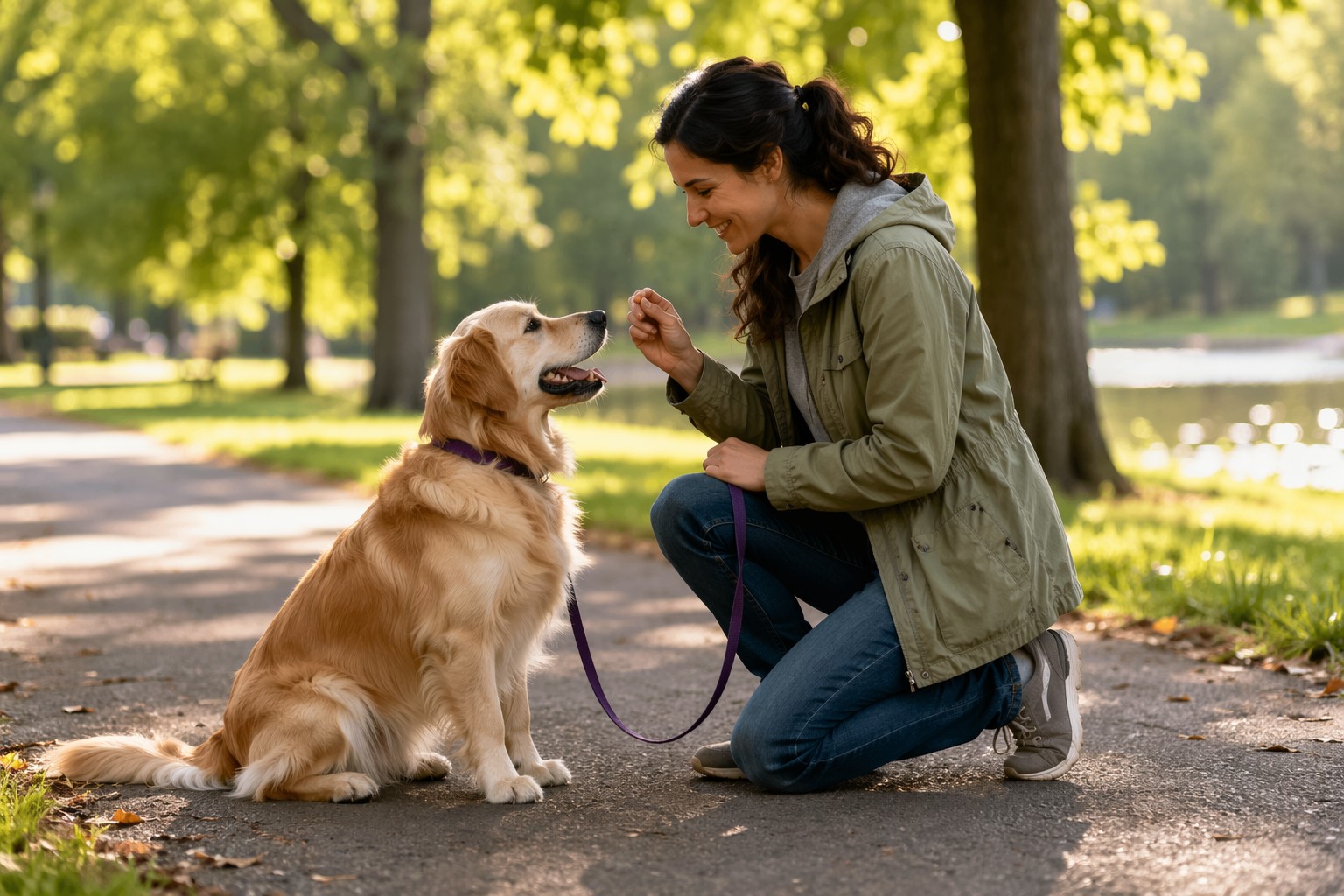
From there, the focus shifts to practical next steps. That may include management changes, handling strategies, routine adjustments, calmer ways to approach triggers, and realistic training goals. The point is not to hand owners a long list of impossible homework. The point is to create a plan that makes sense for real life.
Why behavior support is different from basic training
Basic training often focuses on skills like sit, stay, leash manners, recall, and polite household behavior. Those skills are valuable, and they can absolutely support behavior work. But behavior consultations go further by addressing emotional patterns and context.
A dog can know cues and still struggle when stressed. That is why behavior support often includes both training and behavior understanding. The dog may need new skills, but the dog may also need more distance from triggers, better routines, slower exposure, clearer communication, and less pressure overall.
This is one reason humane, aversive-free support matters so much. When a dog is already overwhelmed, harsh techniques can add even more stress and confusion. A calmer, science-based approach gives the dog a better chance to learn and feel safe enough to make different choices.
Common issues behavior consultations can help with
Every dog is different, but many local families seek behavior help for concerns such as leash reactivity, barking at people or dogs, visitor stress, fearfulness, separation-related distress, over-arousal, difficulty settling, and household tension around handling or routines.
Some dogs also struggle with transitions. They may become more reactive after moving, after a schedule change, after a new baby arrives, or after another life disruption. In these situations, owners often benefit from having a calm professional help them narrow down what to focus on first.
That outside perspective can be a relief. Instead of trying ten different internet tips at once, families get a clearer path forward.
What local dog owners in Basking Ridge should look for
If you are looking for behavior help in Basking Ridge or elsewhere in Somerset County, look for someone who takes time to understand the full dog, not just the visible behavior. Good support should feel educational, practical, and compassionate. You should leave with a better understanding of your dog, not just a list of corrections.
It also helps to look for someone who uses positive, humane methods and can explain why certain recommendations fit your dog and your daily life. Real progress usually comes from consistency, clear expectations, thoughtful management, and helping the dog build safer habits over time.
For many households, private support is especially helpful because behavior challenges often show up most clearly in the home, on neighborhood walks, or in the family's actual daily routine. A plan built around real-life conditions is often easier to follow than generic advice.
What progress can realistically look like
Behavior change is rarely instant, and that is important to say honestly. Dogs need time, repetition, and support. Owners need clear guidance that feels doable. Improvement often starts with smaller wins: shorter recovery after a trigger, fewer intense reactions, calmer transitions, more success on walks, or less tension around daily routines.
Those changes matter. They build confidence for both the dog and the owner. Over time, small improvements often create a more peaceful home and a better sense of trust on both ends of the leash.
The goal is not perfection. The goal is a dog who feels more supported and a family who understands what to do next.
When it makes sense to reach out
If your dog's behavior is making daily life harder, it is reasonable to ask for help sooner rather than later. Many issues become more manageable when families get support before the pattern grows stronger. Even one consultation can bring clarity, reduce confusion, and help owners stop feeling stuck.
For local families in Basking Ridge, behavior support can be a helpful first step when something feels off, stressful, or hard to solve alone. You do not need to wait until things feel extreme. Sometimes the best time to reach out is when you are starting to realize your dog needs a more tailored plan.
If you need help with your dog's behavior or training, schedule a meet & greet to talk through the next best step for your dog and household.