It usually starts small.
A few barks at the window. A reaction when someone walks by. Maybe some noise when the doorbell rings.
But over time, the barking grows. It feels constant. Stressful. Embarrassing. And many dog owners in Basking Ridge find themselves wondering the same thing: “How do I get my dog to stop barking?”
Why Barking Becomes a Bigger Problem
Barking is completely normal behavior for dogs. It’s one of the main ways they communicate. The issue isn’t barking itself — it’s when it becomes excessive, constant, or hard to interrupt.
In many cases, barking increases because it’s unintentionally reinforced or misunderstood.
For example:
- A dog barks at the window → the person walks away → the dog thinks barking worked
- A dog barks for attention → the owner responds → barking becomes a reliable strategy
- A dog barks out of stress or anxiety → the root cause isn’t addressed
Over time, the behavior becomes stronger, not because the dog is being “difficult,” but because it’s learning what works.
Common Reasons Dogs Bark
Understanding why your dog is barking is the most important first step.
Some of the most common causes include:
- Alert barking: reacting to sounds, people, or movement outside
- Attention-seeking: barking to get interaction, play, or food
- Frustration: especially when on leash or behind barriers
- Anxiety or stress: including separation-related behaviors
- Boredom: lack of mental and physical stimulation
Many dogs show a mix of these, which is why quick fixes often don’t last.
What Dog Owners Often Try (That Doesn’t Work Long-Term)
When barking becomes overwhelming, it’s natural to want a fast solution. But some common approaches can actually make things worse over time.
These include:
- Yelling or raising your voice
- Using punishment-based tools without guidance
- Trying to “shut down” the behavior without understanding it
Dogs don’t learn what to do instead in these situations. In some cases, they may become more anxious, which can increase barking rather than reduce it.
What Effective Barking Training Looks Like
Helping a dog with excessive barking isn’t about stopping noise — it’s about changing the underlying behavior.
That typically includes:
1. Identifying the Trigger
Is your dog barking at people outside? Sounds in the house? When left alone? Each scenario needs a slightly different approach.
2. Teaching an Alternative Behavior
Dogs need something else to do instead of barking. This might include going to a mat, focusing on the owner, or disengaging from the trigger.
3. Changing the Emotional Response
For dogs barking out of fear, anxiety, or frustration, training focuses on helping them feel more comfortable and less reactive over time.
4. Creating Clear, Consistent Responses
Consistency from the household is key. Mixed signals can unintentionally reinforce barking.
Real-Life Example in Basking Ridge
A local dog owner might notice their dog barking constantly at the front window. Every passing dog, delivery truck, or neighbor triggers a reaction.
At first, it seems like the dog is being protective. But over time, the behavior becomes exhausting.
With the right training approach, the focus shifts from “stop barking” to:
- Reducing access to constant triggers
- Teaching calm observation instead of reaction
- Building new habits that are reinforced consistently
The result isn’t silence — it’s a dog who can notice things without feeling the need to react to everything.
Why Local Support Can Make a Difference
Every home and every dog is different. That’s especially true in areas like Basking Ridge and throughout Somerset County, where environments vary from quiet neighborhoods to busier streets.
Working with a local trainer allows the plan to match your dog’s real environment, not just a generic approach.
This often includes:
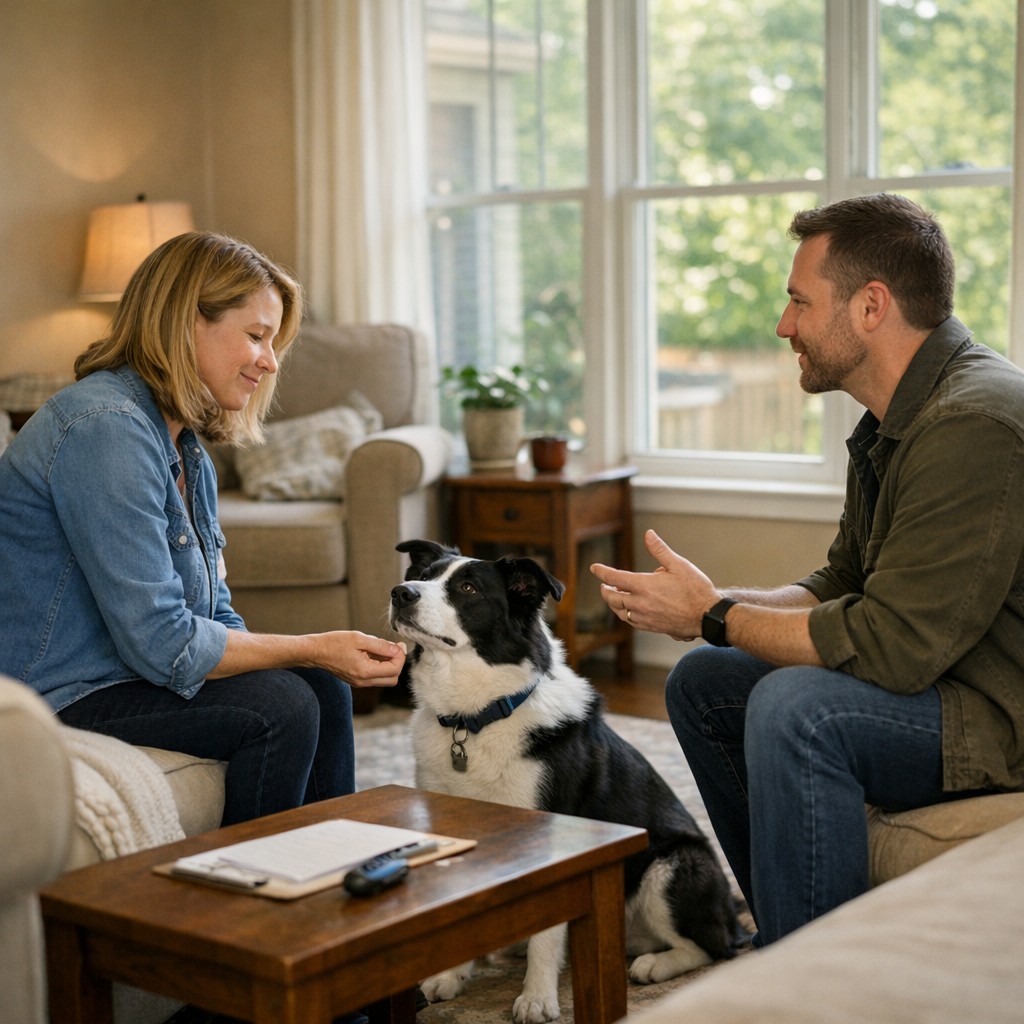
- In-home observation of triggers
- Personalized training plans
- Guidance on daily routines and structure
- Support for both the dog and the owner
The goal is to make progress that actually fits your life.
What Progress Really Looks Like
One of the biggest misconceptions about barking is expecting it to stop completely and immediately.
In reality, progress tends to look like:
- Shorter barking episodes
- Faster recovery after a trigger
- Less intensity over time
- More moments of calm choice
These changes add up to a much more manageable and peaceful home environment.
When to Seek Help
If barking feels constant, stressful, or tied to anxiety or reactivity, it’s a good time to get support.
Early guidance can prevent the behavior from becoming more ingrained and harder to change.
And just as importantly, it can reduce frustration for both you and your dog.
A More Practical, Compassionate Approach
Excessive barking isn’t about a “bad dog.” It’s usually a sign that the dog is trying to communicate, cope, or respond to something in their environment.
With the right approach, you can help your dog feel more relaxed, more confident, and less reactive — without relying on harsh methods.
If you need help with your dog’s barking or behavior, schedule a meet & greet to talk through the next best step.