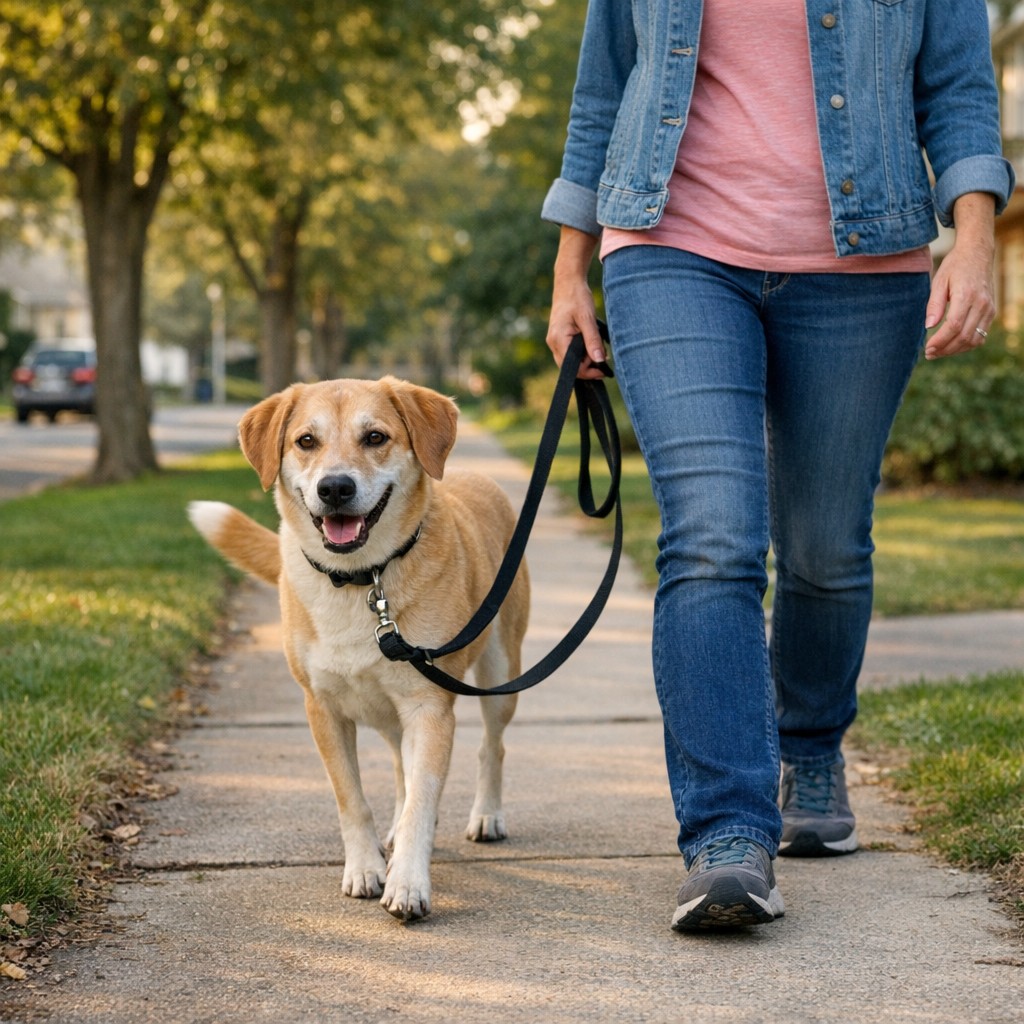
If your dog pulls on the leash every time you go outside, you’re not alone. What should be a relaxing walk often turns into a frustrating tug-of-war, leaving both you and your dog stressed before you even get down the block.
The good news is this: leash pulling is extremely common, and it’s also very fixable with the right approach.
Why Dogs Pull on the Leash
Most dogs aren’t trying to be difficult. They’re simply doing what comes naturally.
Dogs move faster than we do. They’re curious, excited, and constantly taking in new smells, sounds, and sights. When the leash tightens, many dogs instinctively pull harder to reach what they want.
Over time, this becomes a habit. The more pulling gets them where they want to go, the more it sticks.
What Many Owners Try (That Doesn’t Work Well)
It’s completely understandable to try quick fixes when pulling gets worse. Many owners try things like:
- Yanking the leash back
- Using constant verbal corrections
- Switching equipment without changing the training approach
These methods can sometimes stop pulling for a moment, but they usually don’t teach your dog what to do instead. That’s why the behavior keeps coming back.
What Your Dog Actually Needs to Learn
Loose leash walking isn’t just about stopping a behavior — it’s about teaching a new one.
Your dog needs to understand that staying near you, with a relaxed leash, is what makes the walk continue.
This shift in understanding is where real progress happens.
A Simple Way to Start Improving Walks
You don’t need perfect conditions or long training sessions to begin. Small changes during everyday walks can make a big difference.
1. Start with Awareness
Notice when your dog starts to pull. Is it right out the door? When they see another dog? When they catch a scent?
Recognizing patterns helps you respond earlier, before the pulling builds momentum.
2. Stop Moving When the Leash Gets Tight
This is one of the most important pieces.
If pulling makes the walk continue, your dog learns to keep doing it. But if pulling makes the walk pause, the message changes.
It may feel slow at first, but consistency here is key.
3. Reward the Right Position
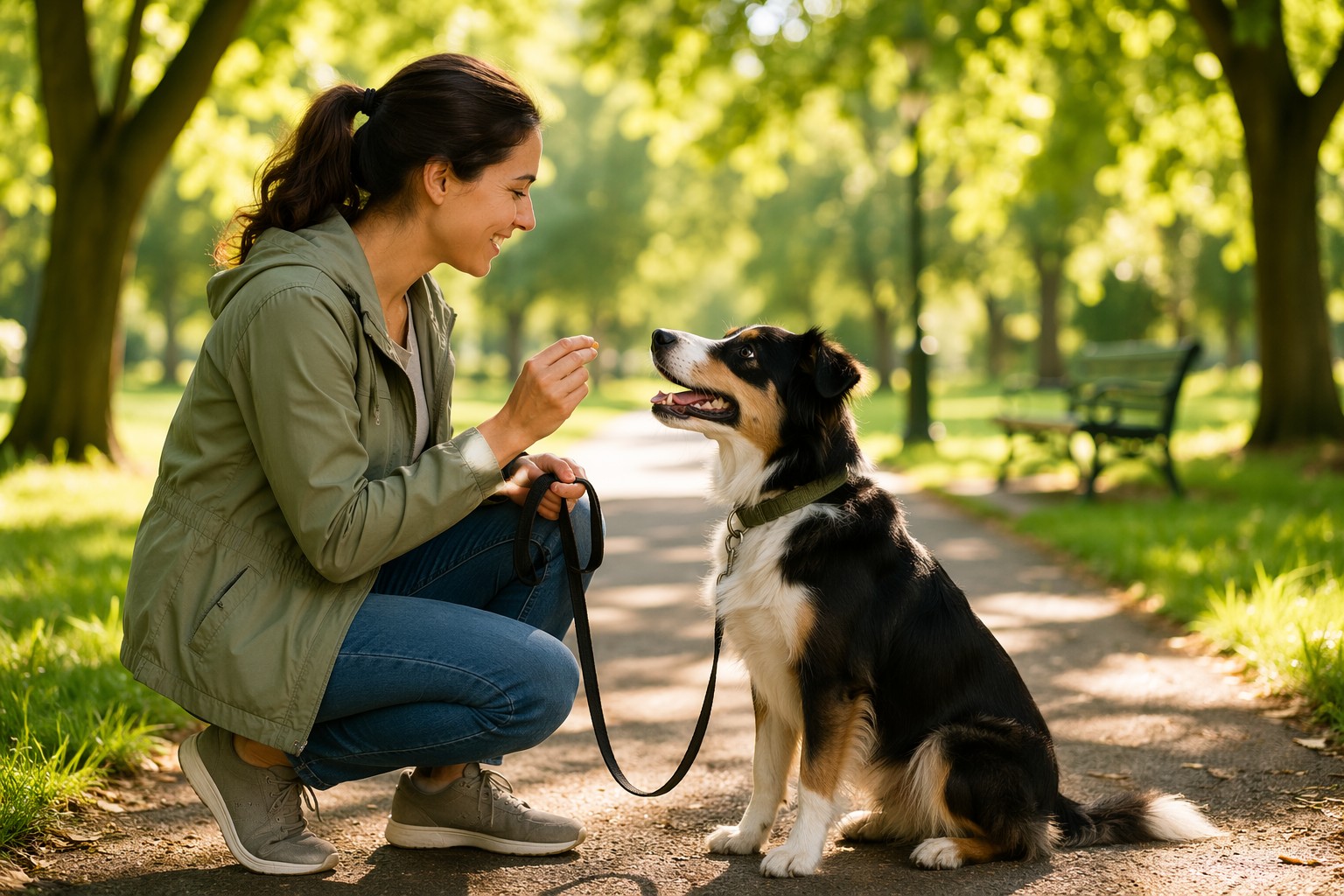
When your dog is walking next to you with a loose leash, that’s the moment to reinforce.
This can be with treats, praise, or simply continuing the walk forward. You’re showing your dog, “This is what works.”
4. Keep Sessions Short and Realistic
Long, overwhelming walks can make training harder.
Shorter, calmer outings often lead to better focus and faster improvement.
Why Progress Can Feel Slow (At First)
Many families expect leash training to improve quickly, but it’s normal for progress to feel gradual.
Your dog is unlearning a habit and building a new one at the same time. That takes repetition and consistency.
Even small improvements — like a few steps of loose leash walking — are meaningful steps forward.
When Extra Support Makes a Difference
Some dogs pull because of excitement. Others pull because of stress, distraction, or reactivity.
In those cases, the leash pulling is just one part of a bigger picture.
Working with a trainer can help you understand what’s really driving your dog’s behavior and create a plan that fits your dog’s personality and your daily routine.
For many families in the area, having someone guide the process makes everything feel more manageable and less frustrating.
What Calm Walks Can Look Like
When leash training starts to click, walks feel different.
You’re not bracing for pulling. Your dog checks in more often. There’s less tension — literally and emotionally.
It doesn’t mean your dog walks perfectly at all times. It means you both understand each other better and can move through the world more comfortably together.
A Local Note for Dog Owners
In neighborhoods and parks around Basking Ridge and Somerset County, calm leash walking isn’t just about convenience — it’s about safety and confidence.
Whether you're passing other dogs, navigating sidewalks, or enjoying local trails, having a dog that can walk with you instead of against you makes everyday life much easier.
Final Thoughts
If your dog pulls on the leash, it doesn’t mean they’re stubborn or untrained. It usually means they haven’t yet learned what works best in our human world.
With patience, clear communication, and the right guidance, most dogs can learn to walk calmly and confidently.
If you need help building those skills, schedule a meet & greet to talk through the next best step for your dog and your daily walks.