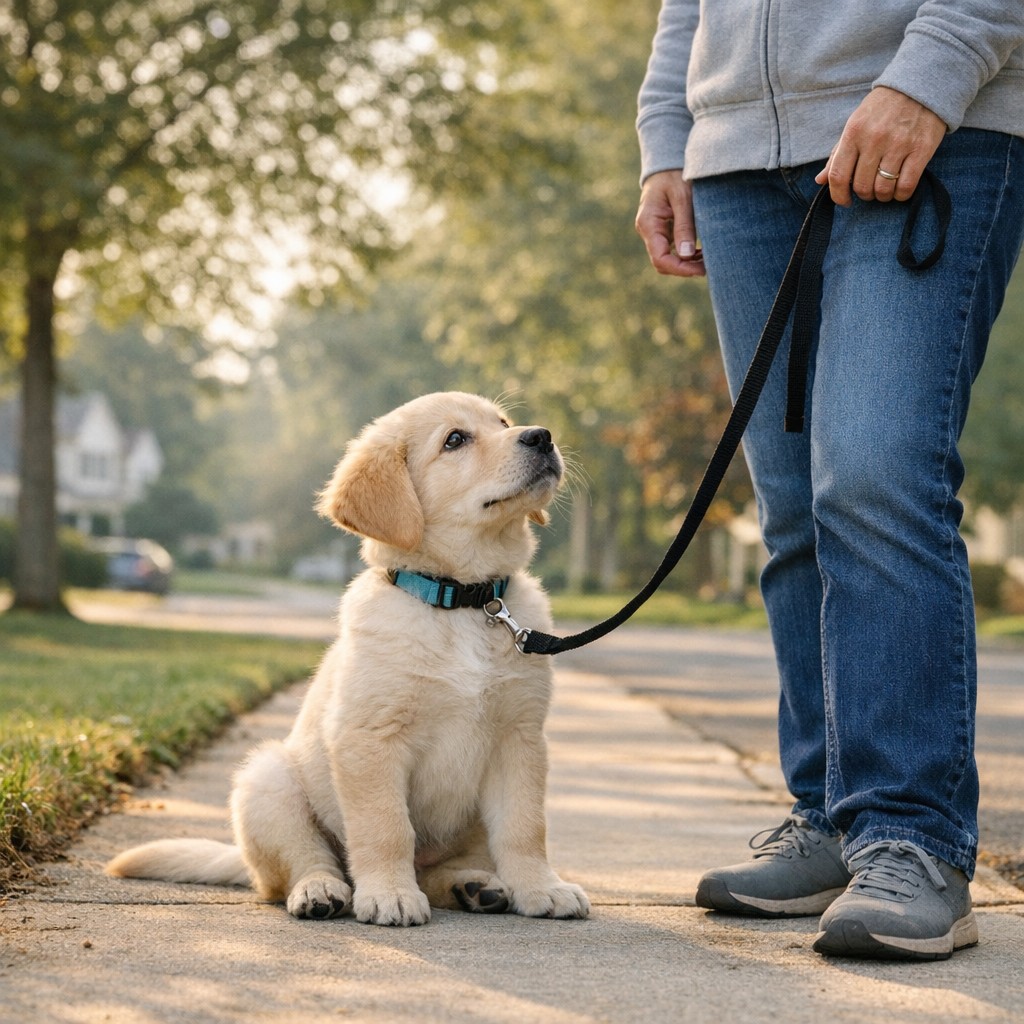
Bringing home a new puppy is exciting, but it can also feel like a lot all at once.
One day you have a quiet home. The next, you have chewing, barking, accidents, and a puppy who seems to have endless energy and no clear understanding of what you want.
If you’re feeling unsure where to start, you’re not alone. Many new puppy owners in Basking Ridge run into the same challenge: they want to “do things right,” but don’t know what actually matters most in the beginning.
Why Early Puppy Training Matters
The first few months of your puppy’s life are incredibly important. This is when they are learning how the world works, how to respond to people, and what behaviors get reinforced.
Good training early on doesn’t mean perfection. It means helping your puppy feel safe, understand expectations, and build habits that will make life easier as they grow.
Without that guidance, puppies often start creating their own patterns—jumping, pulling, barking, or ignoring cues—not because they’re “bad,” but because they’re learning as they go.
What Most New Puppy Owners Misunderstand
A common assumption is that puppy training is about teaching commands like sit, stay, or down.
Those are helpful, but they’re not the foundation.
The real focus early on should be:
- Building attention and engagement
- Creating calm routines
- Preventing unwanted behaviors before they become habits
- Helping your puppy feel comfortable in new situations
In other words, training is less about control and more about clarity.
A Simple Puppy Training Plan to Start With
If you’re feeling overwhelmed, it helps to simplify things. Here’s a practical approach many local families find helpful.
1. Focus on Relationship First
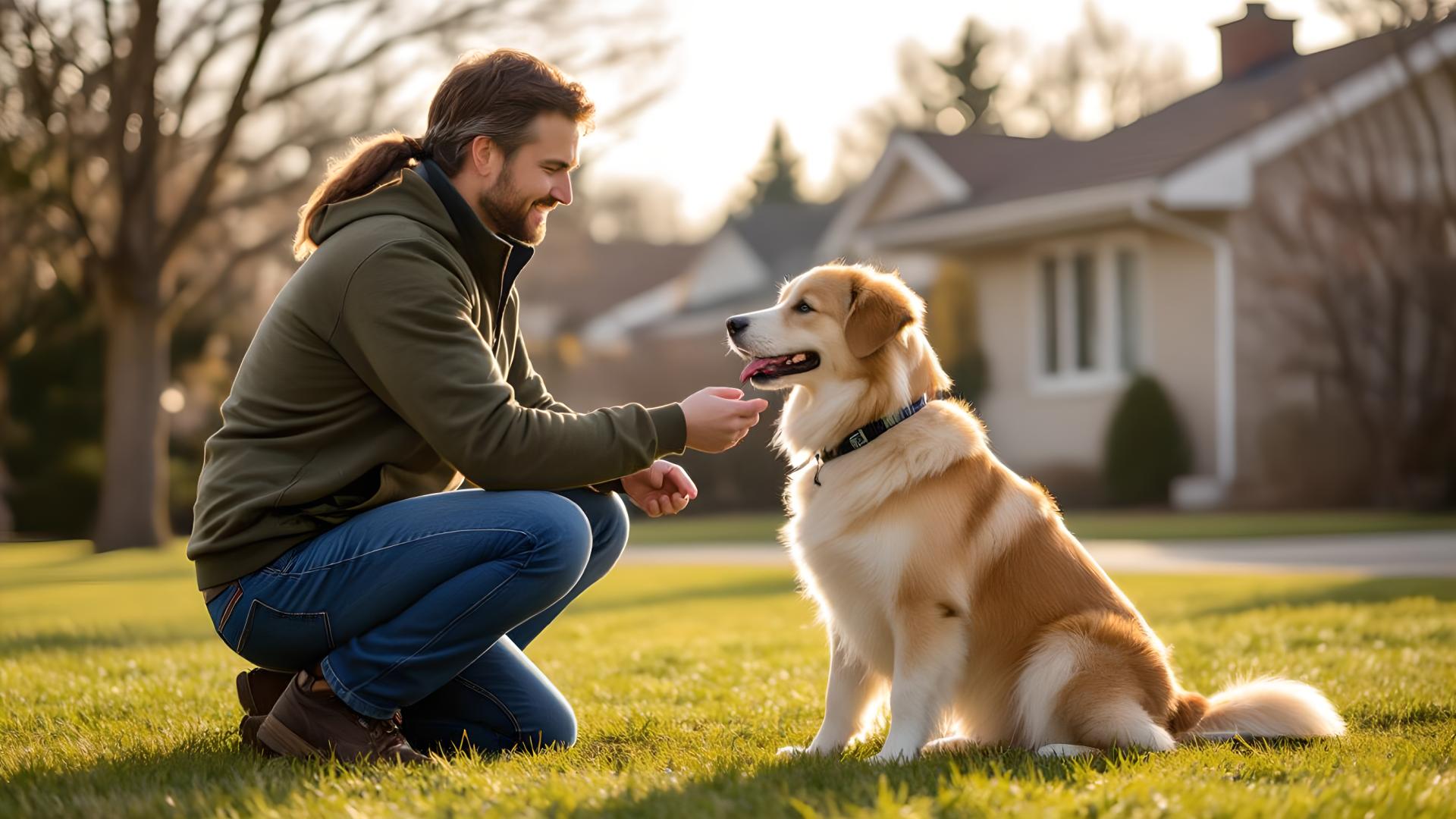
Your puppy should learn that paying attention to you is rewarding. Use their meals, treats, and praise to reinforce eye contact, following you, and calm behavior.
This becomes the foundation for everything else.
2. Build a Consistent Routine
Puppies thrive on predictability. Try to keep feeding, potty breaks, walks, and rest times consistent.
This helps reduce stress and makes house training much easier.
3. Manage the Environment
Instead of constantly correcting your puppy, set up your home so they can succeed.
Use crates, gates, or leashes indoors when needed. Keep shoes, cords, and tempting items out of reach. This prevents mistakes before they happen.
4. Reward the Behavior You Want
When your puppy does something right—even something small—acknowledge it.
Calm sitting, walking beside you, or choosing a toy instead of furniture are all moments worth reinforcing.
5. Keep Training Short and Positive
Puppies have short attention spans. A few minutes at a time is enough.
Focus on small wins, and end sessions on a positive note.
Common Puppy Challenges (and What They Really Mean)
Many behaviors that feel frustrating are actually very normal.
For example:
- Biting: Puppies explore with their mouths and need guidance, not punishment
- Jumping: They’re seeking attention and haven’t learned alternatives yet
- Pulling on leash: The outside world is exciting and distracting
- Accidents indoors: They’re still learning timing and signals
Understanding the “why” behind the behavior makes it much easier to respond in a way that actually helps your puppy learn.
What Support Can Look Like
Some families prefer to figure things out on their own. Others feel more confident with guidance.
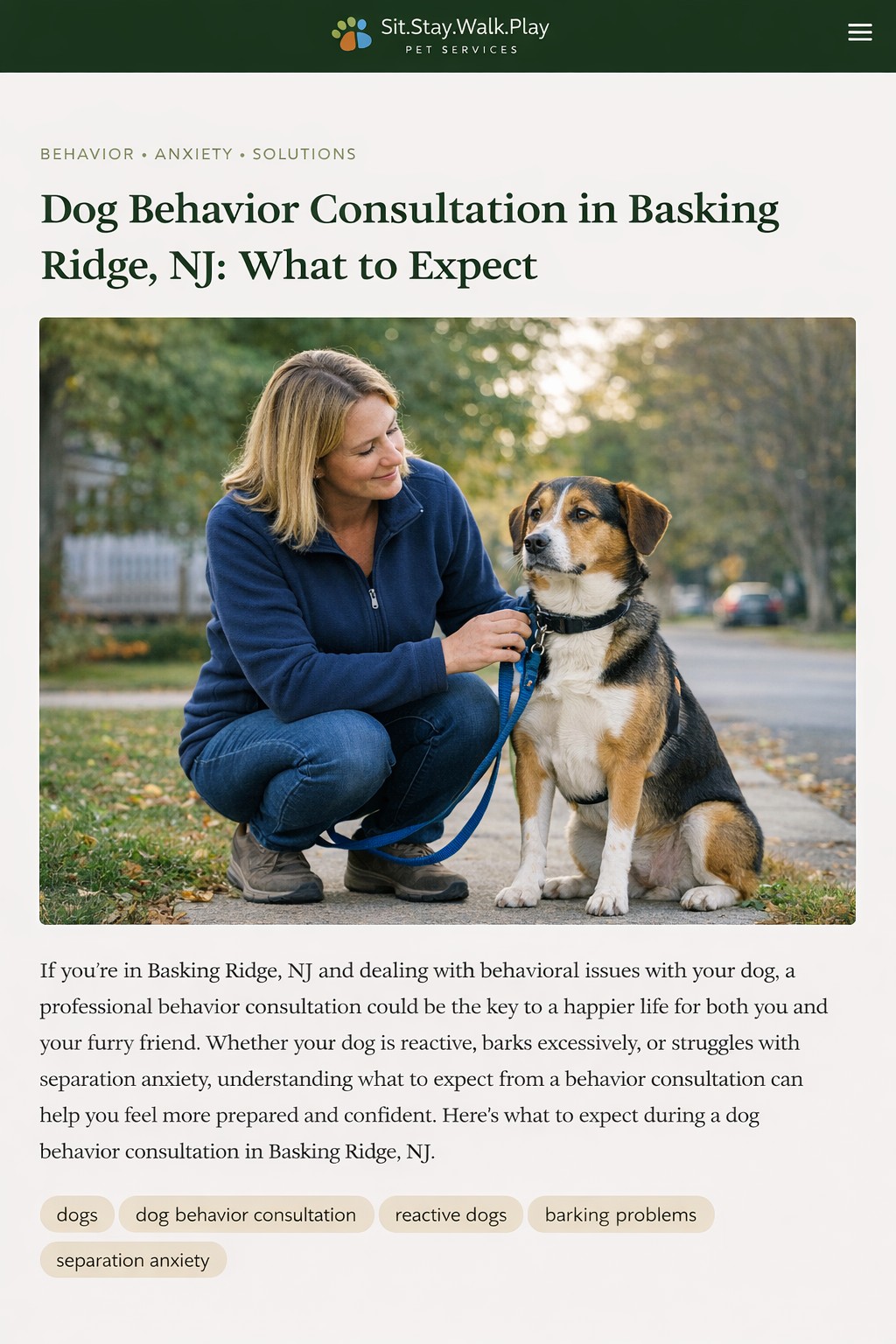
Working with a trainer doesn’t mean something is wrong. It simply gives you a clear plan and helps you avoid common mistakes.
For example, a local trainer might help you:
- Set up a realistic daily routine
- Work through biting or nipping
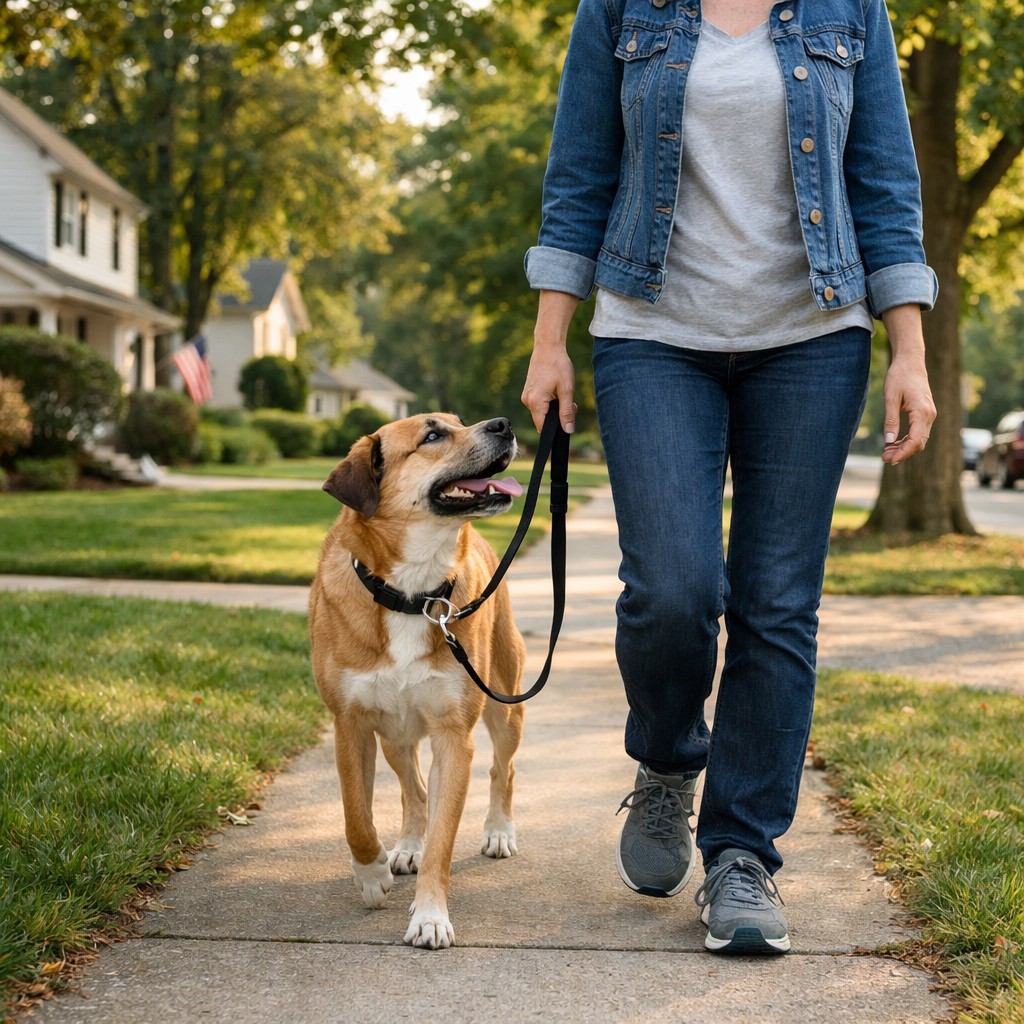
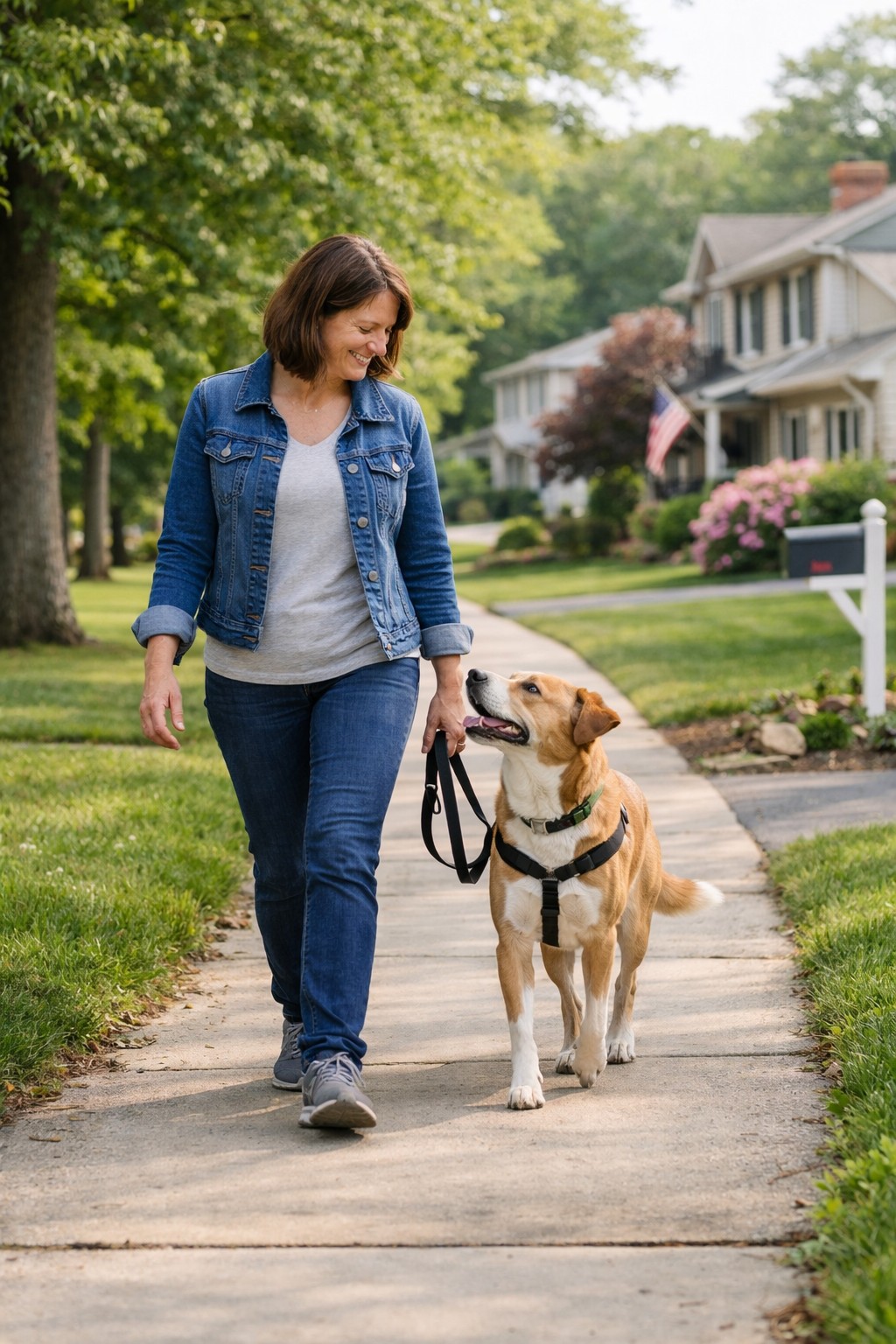
- Start leash skills in a calm, structured way
- Build focus around distractions
- Prevent small issues from turning into bigger ones
In areas like Basking Ridge and Somerset County, many dog owners choose in-home or private training so the guidance fits their real environment and lifestyle.
What Local Families Should Look For
If you’re exploring puppy training support, it’s worth looking for someone who:
- Uses positive, reward-based methods
- Explains the “why,” not just the “what”
- Focuses on both the dog and the owner
- Builds practical, realistic plans
Training should feel supportive, not overwhelming.
Many families in Basking Ridge find that having a clear plan early on makes everything—from walks to daily routines—feel much easier and more enjoyable.
Start Simple and Build From There
You don’t need to do everything at once.
Start with small, consistent steps. Focus on helping your puppy feel safe, understand expectations, and succeed in everyday situations.
Over time, those small wins turn into lasting habits.
If you need help with your puppy’s training, schedule a call to talk through what your dog needs and how to get started with a plan that fits your home.