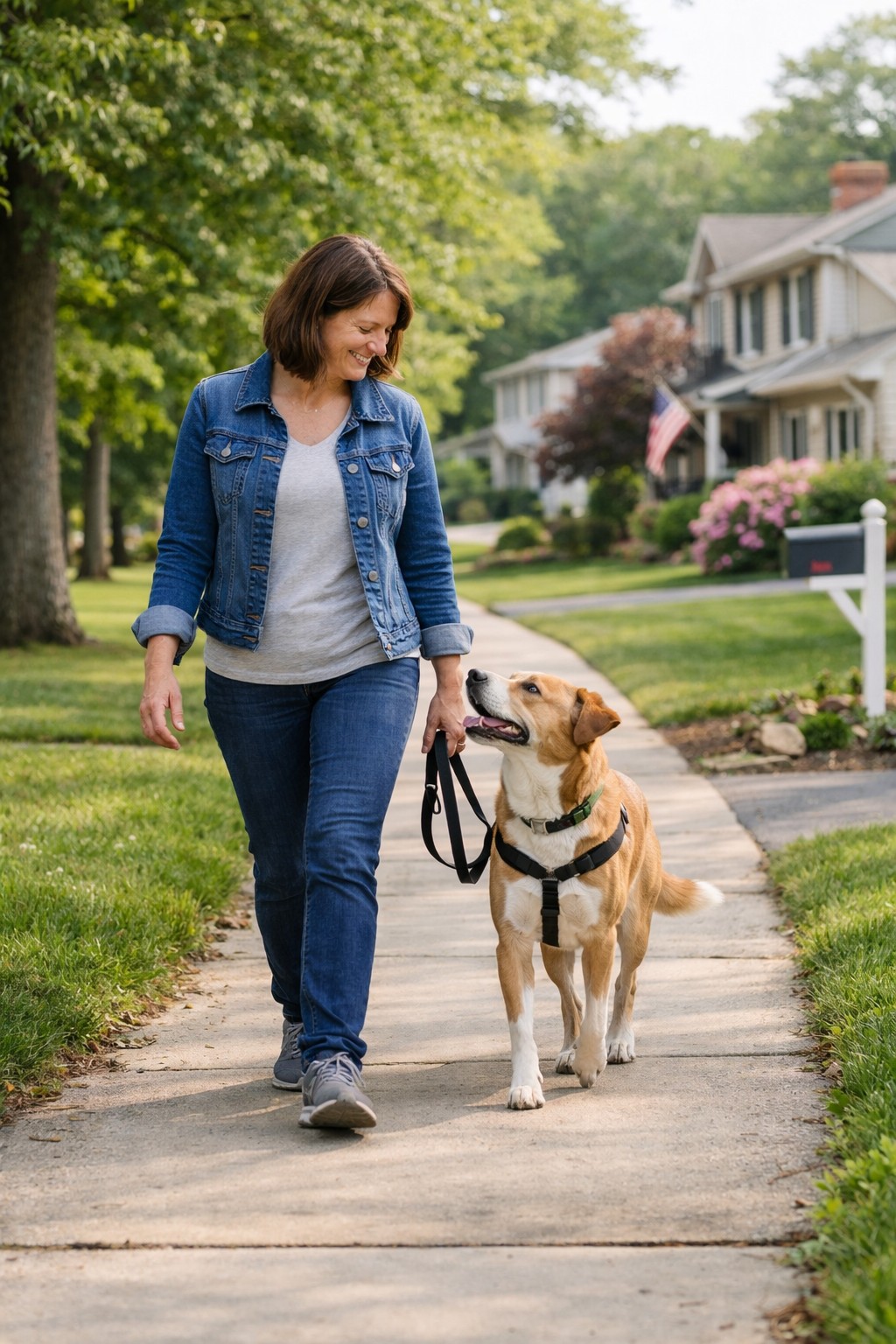
Dog Training in Basking Ridge NJ: What Local Owners Should Expect
Many dog owners wait longer than they need to before reaching out for training help. Sometimes it starts with pulling on walks, jumping on guests, barking at every sound, or a dog who listens well at home but seems to forget everything outside. Other times, it is less about one big issue and more about daily life feeling harder than it should.
If you have been searching for dog training in Basking Ridge NJ, it helps to know what good support should actually look like. Training is not about forcing quick obedience or blaming the dog. It is about understanding what is getting in the way, building clear communication, and helping both the dog and the owner feel more confident.
Why families start looking for dog training
Most people do not start with a perfect plan. They start because something at home or on walks feels frustrating, stressful, or confusing.
Some common reasons local families seek training support include:
- Pulling on leash during walks
- Jumping on visitors or family members
- Barking that is hard to interrupt
- Trouble settling at home
- Ignoring cues outdoors
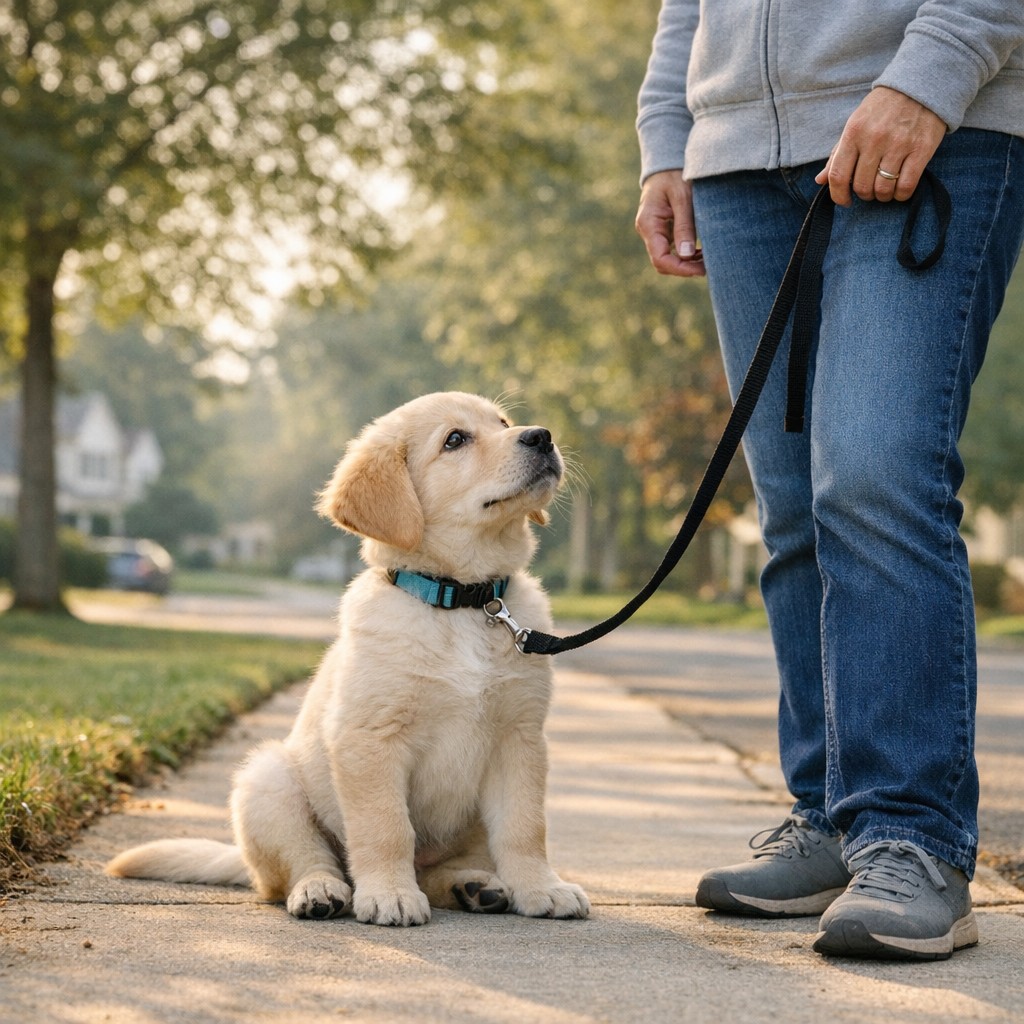
- Puppy behavior that feels overwhelming
- Difficulty around new environments, dogs, or people
These challenges do not mean you have a bad dog. In many cases, they mean your dog needs clearer guidance, more practice, better routines, or support that fits their individual temperament.
What dog owners often misunderstand about training
One of the biggest misconceptions is that training is only about teaching commands. Sit, down, and stay can be useful, but real training goes much deeper than that. Good training helps dogs learn how to function in everyday life. It supports impulse control, focus, confidence, and calmer behavior in real-world situations.
Another common misunderstanding is that a dog should “just know better” after being corrected a few times. Dogs learn through repetition, consistency, timing, and clear reinforcement. When progress stalls, it usually does not mean the dog is stubborn. It often means the learning process needs to be adjusted.
That is why private dog training can be so helpful. Instead of trying random advice from videos or piecing together conflicting tips from friends, owners get a practical plan that matches the dog in front of them.
What private dog training usually looks like
For many families in Basking Ridge and the surrounding Somerset County area, private training is appealing because it is personalized. It focuses on your dog, your home, your routine, and the situations that are actually causing stress.
A strong training process often includes:
- Talking through the dog’s history, routine, and current challenges
- Identifying what triggers or patterns may be affecting behavior
- Setting realistic goals for home life and walks
- Teaching owners how to respond clearly and consistently
- Building skills in small, manageable steps
- Practicing in the environments where the behavior matters most
This matters because dogs do not automatically generalize well. A dog who can focus in the kitchen may struggle on the sidewalk. A dog who can sit calmly for a treat indoors may fall apart when another dog appears across the street. Training becomes more useful when it is built around daily life instead of perfect practice in a low-distraction setting only.
What progress really looks like
Good training is not magic, and it is rarely instant. Real progress usually looks like small, meaningful improvements that build over time.
That may look like:
- Your dog checking in more often on walks
- Shorter barking episodes
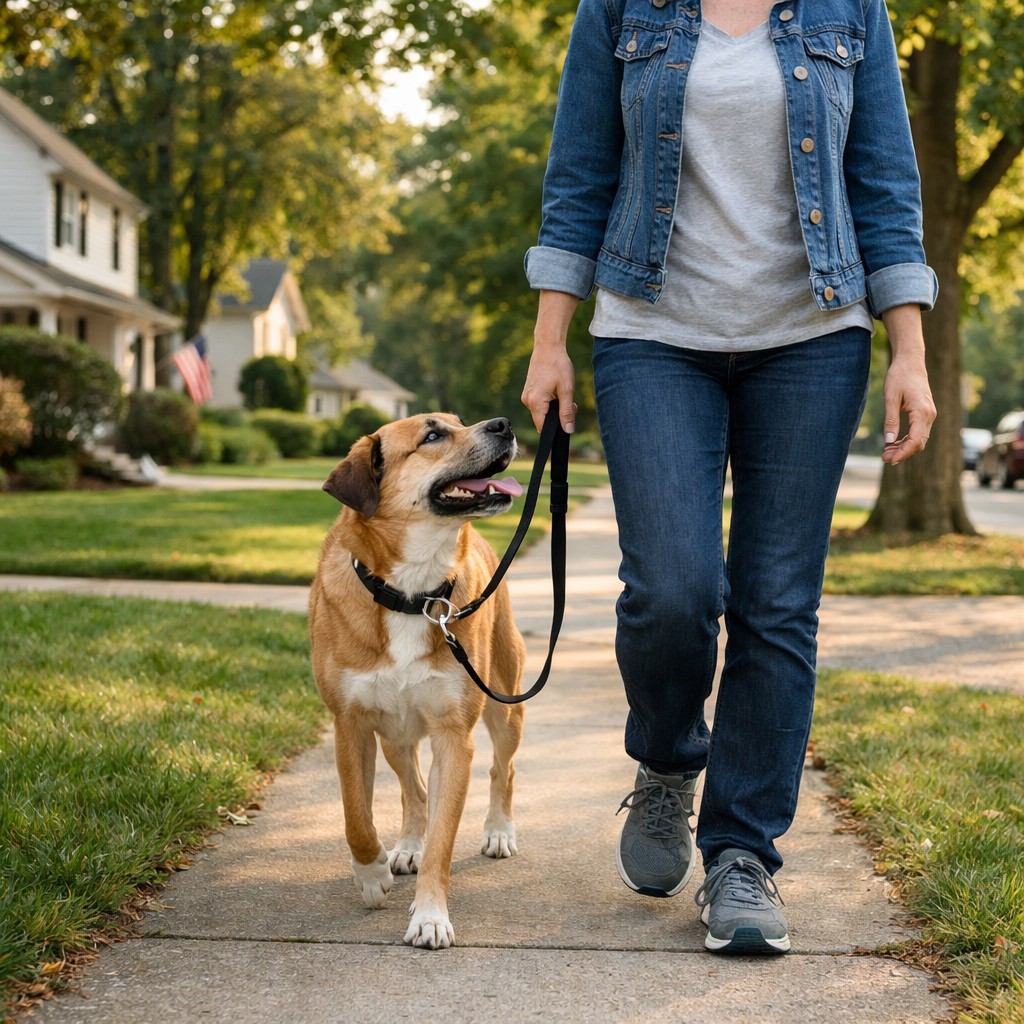
- Less pulling before crossing a street or passing distractions
- Better recovery after excitement
- More confidence from the owner
- A home routine that feels calmer and easier to manage
These wins matter. They are often the foundation for bigger changes later. When owners understand what to look for, they feel less discouraged and more motivated to stay consistent.
Why humane, positive training matters
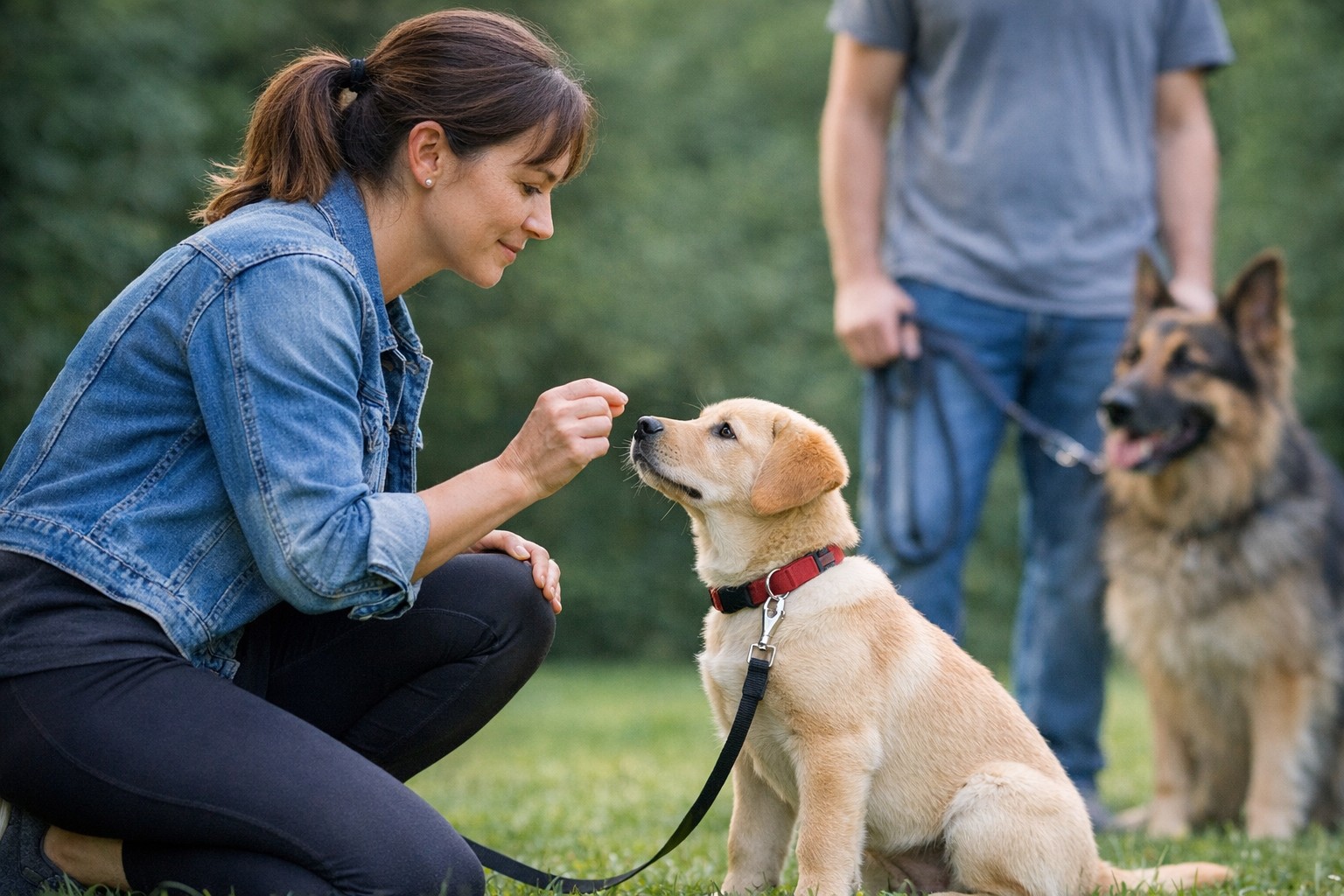
Many owners today are looking for positive reinforcement dog training in NJ because they want an approach that is clear, humane, and sustainable. That does not mean permissive training or simply handing out treats. It means teaching the dog what to do, reinforcing useful behavior, and reducing confusion whenever possible.
For many dogs, especially those who are sensitive, easily overwhelmed, or unsure in new situations, this approach helps create trust and better long-term learning. It also helps owners feel more comfortable practicing at home because the process feels realistic and supportive rather than confrontational.
When a dog is struggling, the goal is not to overpower them. The goal is to help them understand, cope, and make better choices more reliably.
How local context affects training
Training is never one-size-fits-all, and local life matters more than people realize. A dog living with a family in Basking Ridge may be navigating neighborhood walks, visitors, school pickup activity, sidewalks, trail access, or a busy household schedule. Those details shape how behavior shows up and what kind of plan will be most helpful.
For example, leash skills may be a major priority for a dog who gets walked through residential neighborhoods every day. A different family may care most about polite greetings at the front door. Someone else may need help with a dog who gets too excited or distracted outside and stops responding to familiar cues.
When training takes those real routines into account, it becomes more useful. It stops feeling like generic advice and starts feeling like support that fits everyday life.
How to know when it is time to get help
Many owners try to solve things on their own first, which makes sense. But there are signs that outside support could make life easier.
You may benefit from working with a local dog trainer if:
- The same problem keeps repeating despite your efforts
- You feel frustrated or unsure what to do next
- Your dog behaves very differently outside than at home
- Walks feel stressful instead of enjoyable
- Your household routine is being affected by the behavior
- You want a clearer plan instead of trial and error
Getting help early can prevent small issues from becoming more deeply rooted habits. It can also reduce stress for both the dog and the people trying to help.
What to look for in dog training in Basking Ridge NJ
If you are comparing options, look for training that feels practical, clear, and tailored to your dog rather than overly generic or overly sales-driven. A good trainer should help you understand not just what to do, but why it matters and how to apply it consistently.
It also helps to look for support that is grounded in humane methods, realistic expectations, and owner education. The best results usually come when owners feel included in the process instead of being handed a list of instructions without context.
For local families, private support can be especially helpful when the goal is improving behavior in the places that matter most: at home, on neighborhood walks, around guests, and in daily routines.
The goal is not perfection
Most owners are not looking for a robot dog. They want calmer walks, clearer communication, fewer stressful moments, and a dog they can understand better. That is a healthy goal.
Training should support real life. It should make things feel more manageable, more connected, and more hopeful. Whether you are dealing with a young dog who needs structure or an older dog who needs better everyday skills, the right plan can help create steady, practical change.
If you are looking for dog training in Basking Ridge NJ, it helps to start with support that meets you where you are, respects your dog, and gives you clear next steps you can actually use.
If you are looking for dog training support in Basking Ridge, schedule a call and we can talk about what your dog needs.