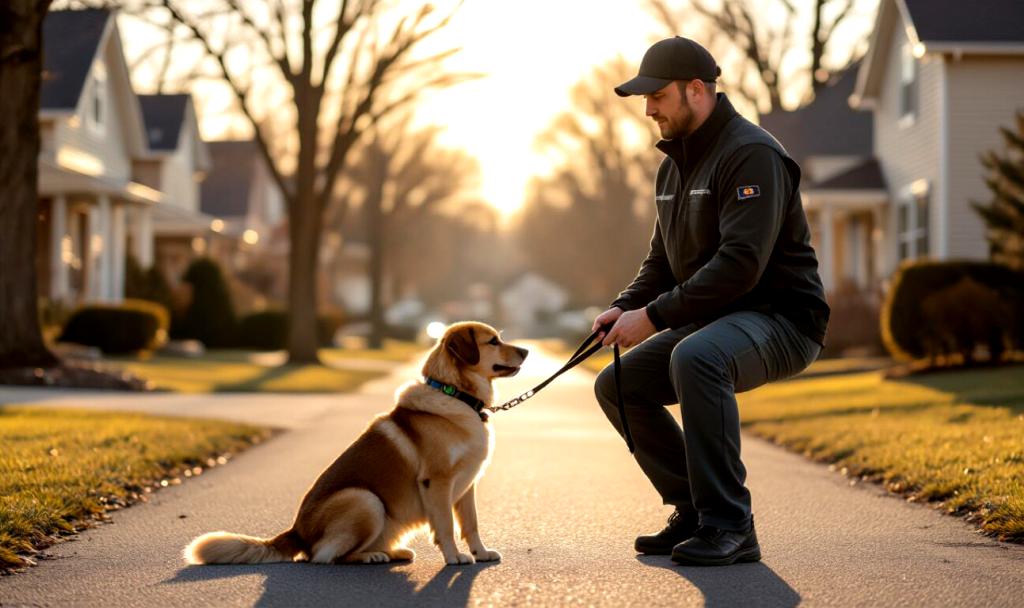
A practical, no-nonsense guide for dog owners who want real results
Choosing the right dog trainer is one of the most important decisions you’ll make for your dog’s long-term behavior and happiness. In Somerset County, NJ, there are many options—but not all trainers, methods, or services are the same.
This guide will help you confidently choose a professional dog trainer who fits your dog, your home, and your goals.
1. Start With Your Dog’s Real Needs
Before calling a trainer, be clear about what you want to fix or improve.
Ask yourself:
-
Is this obedience (leash pulling, jumping, ignoring commands)?
-
Is it a behavioral issue (reactivity, anxiety, aggression, fear)?
-
Is this a puppy foundation or an adult dog with habits?
A good trainer will ask detailed questions before recommending a program. Be cautious of anyone offering a “one-size-fits-all” solution.
2. Look for Experience With Your Specific Problem
Not every trainer specializes in everything.
In Somerset County, many trainers focus on:
-
Group obedience classes
-
Basic puppy training
But behavioral consultations (anxiety, reactivity, aggression) require deeper experience.
When speaking to a trainer, ask:
-
Have you worked with dogs like mine?
-
How do you approach behavior problems?
-
What does a typical consultation look like?
Experience matters more than flashy marketing.
3. In-Home vs Group Training: Know the Difference
In-Home Training
Best for:
-
Behavior issues
-
Busy families
-
Dogs that don’t perform well around others
Benefits:
-
Training happens where problems actually occur
-
Personalized pace
-
Real-life distractions (kids, doorbells, visitors)
Group Classes
Best for:
-
Basic obedience
-
Socialization
-
Owners who enjoy structured classes
There’s no “right” answer—only what works best for your dog.
4. Ask About Training Methods (This Matters)
A professional trainer should clearly explain how they train—not avoid the question.
Look for:
-
Calm, structured, fair training
-
Clear communication with both dog and owner
-
Emphasis on consistency and leadership
Red flags include:
-
Promising instant results
-
Refusing to explain methods
-
Blaming the dog instead of adjusting the approach
Training should build trust, not fear.
5. Local Knowledge Is a Big Advantage
A local Somerset County dog trainer understands:
-
Neighborhood environments
-
Typical home layouts
-
Seasonal challenges (winter walks, summer overstimulation)
-
Common behavior patterns in suburban dogs
Local trainers are also easier to reach for follow-ups and ongoing support.
6. Read Reviews—But Read Them Carefully
When reviewing testimonials:
-
Look for specific outcomes, not just “great trainer!”
-
Watch for repeated themes: calm approach, clear explanations, real improvement
-
Ignore overly generic or suspiciously perfect reviews
A few mixed reviews aren’t bad—how the trainer responds matters more.
7. Ask What Happens After Training Ends
Good training doesn’t stop at the last session.
Ask:
-
Will I get homework or a training plan?
-
Can I reach out with questions later?
-
Is follow-up support available?
The best trainers focus on teaching you, not just controlling the dog.
Final Thoughts
Choosing the right dog trainer in Somerset County isn’t about picking the cheapest or the most advertised option—it’s about finding someone who understands your dog, your home, and your goals.
Take your time, ask smart questions, and trust your instincts. When training is done right, it improves not just behavior—but the entire relationship between you and your dog.
Thinking About Professional Training?
If you’re considering obedience training or a behavioral consultation in Somerset County or nearby areas, start with a conversation. A calm, professional assessment can save you months of frustration—and set your dog up for long-term success.